Pinch Roll Machine for Slitting Lines
In a modern coil slitting line, stable strip feeding is essential to cutting accuracy and finished product quality. The pinch roll machine is a key piece of auxiliary equipment that controls strip movement between the decoiler and the slitting section. By gripping the strip firmly and feeding it at a consistent speed, it keeps the material aligned and under control throughout the process.
What Is a Pinch Roll Machine?
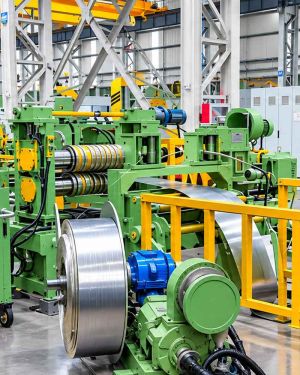
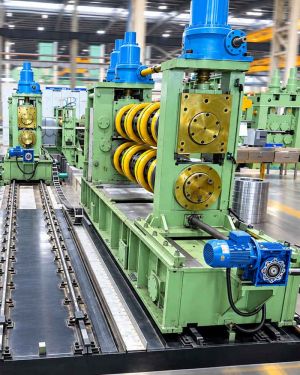
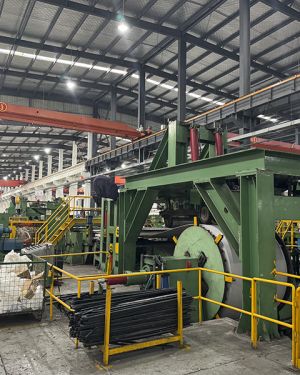
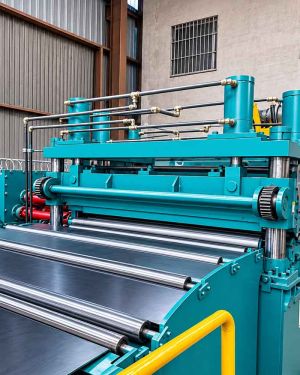
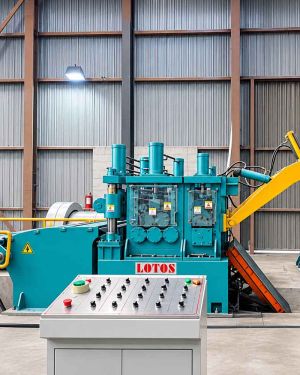
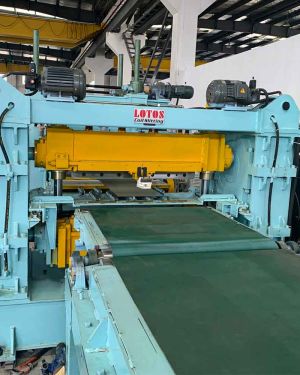
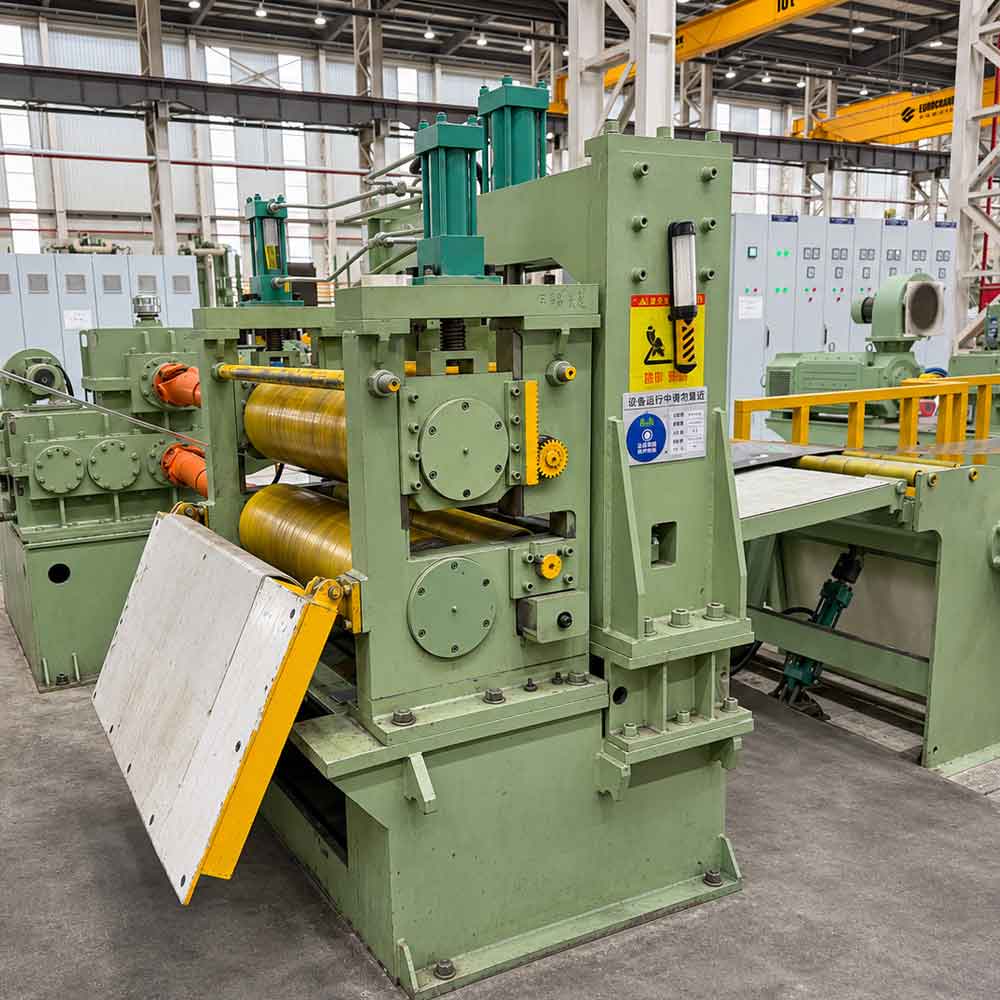
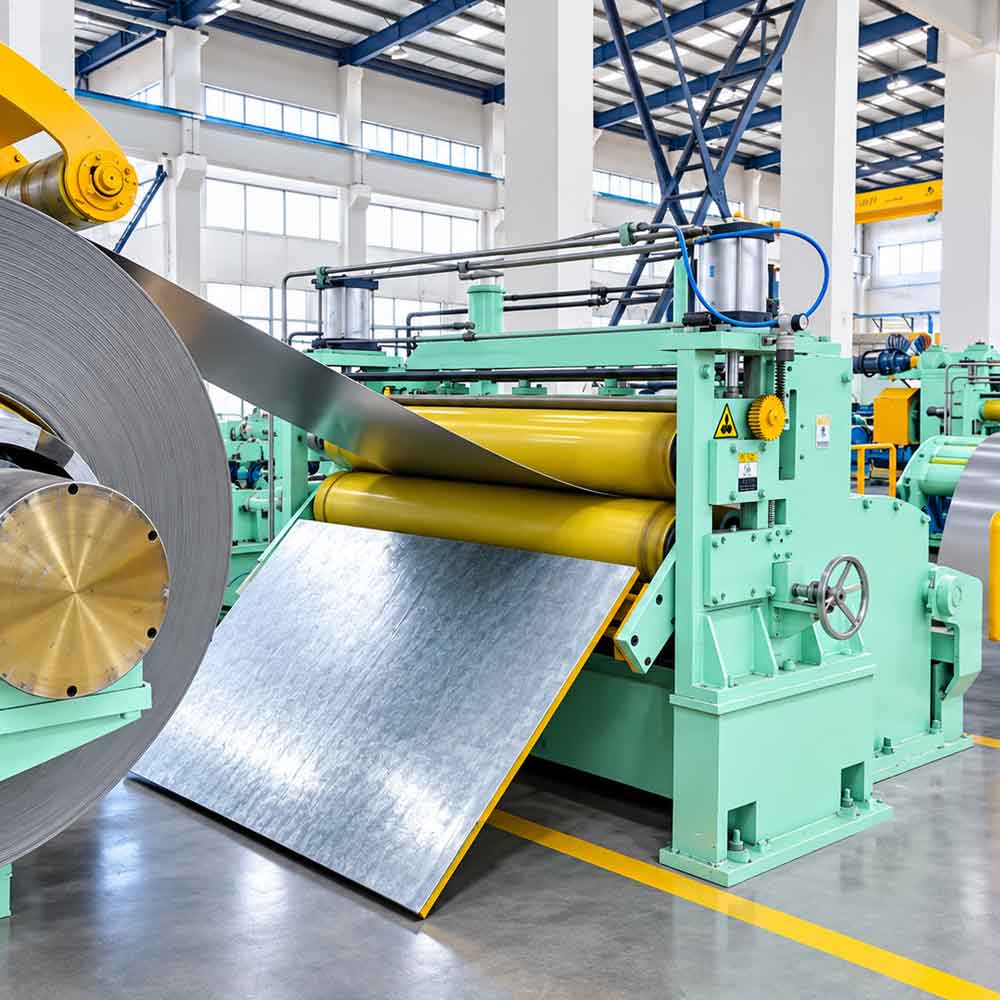
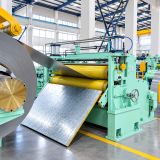
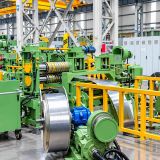
A pinch roll machine is a set of driven rollers, typically an upper and a lower roll, that clamp the steel strip between them and pull it forward. In a slitting line, it is usually installed after the decoiler and leveling or straightening unit, and before the slitter head. Its main task is to draw the strip from the coil and push it smoothly into the slitting section at a controlled speed.
Pinch roll machines are used with carbon steel, stainless steel, galvanized steel, aluminum, and other coil materials in a wide range of thicknesses and widths.
Working Principle
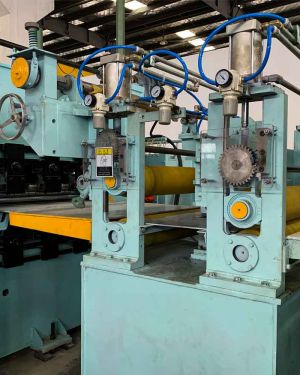
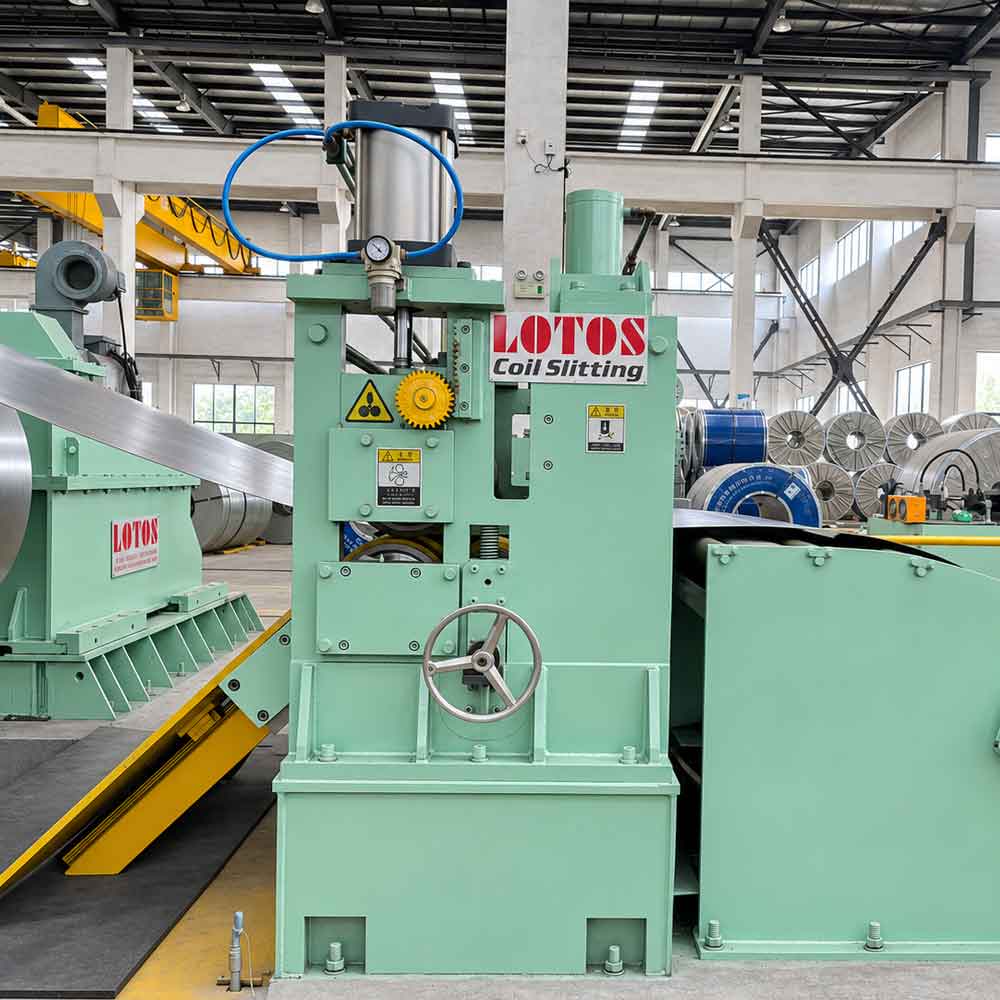
The strip passes between the upper and lower rolls. A hydraulic or pneumatic cylinder applies clamping pressure to the upper roll, while a motor and gearbox drive the rolls to move the strip forward. Because the strip is held under constant pressure, the feed speed matches the line speed, with minimal slippage.
Operators can adjust the clamping force to suit different thicknesses and material hardness. This protects delicate surfaces from marking while still giving enough grip for thick, heavy gauge coils.
Main Components
- Pinch rolls: Made from hardened alloy steel, often chrome plated or surface treated for wear resistance and a smooth strip surface. Rubber or polyurethane-coated rolls can be used for surface sensitive materials.
- Frame structure: A rigid welded steel frame that resists deformation under load and keeps the rolls parallel.
- Drive system: An AC motor with a reducer or a servo drive, providing smooth, synchronized speed control.
- Clamping system: Hydraulic or pneumatic cylinders that provide adjustable and consistent pressure.
- Roll opening mechanism: Allows the upper roll to be lifted for strip threading and maintenance.
- Side guides: Keep the strip centered as it enters the next stage.
Key Functions in a Slitting Line
1. Stable strip feeding. The pinch roll machine delivers the strip at a steady speed, which supports accurate slitting and reduces vibration.
2. Strip tracking and alignment. Combined with side guides, it keeps the strip on the centerline and prevents lateral drift.
3. Tension isolation. It separates the tension zones before and after the unit, so decoiling tension and slitting tension can be controlled independently.
4. Threading assistance. It pulls the strip head through the line during setup, which saves time and reduces manual handling.
5. Scrap reduction. Consistent feeding lowers edge defects, camber, and misalignment, improving material utilization.
Advantages of a High Quality Pinch Roll Machine
- Improved slitting width accuracy and edge quality
- Reduced surface scratches and roll marks
- Adjustable pressure for a wide range of materials and gauges
- Smooth operation at both low and high line speeds
- Long service life with low maintenance requirements
- Easy integration with decoilers, levelers, slitters, and recoilers
Selection Considerations
When choosing a pinch roll machine for a slitting line, buyers should evaluate the following:
- Material type and thickness range: Thicker and harder materials need higher clamping force and a more robust drive.
- Strip width: Roll length should match the maximum coil width of the line.
- Line speed: The drive system must support the required production speed with stable control.
- Surface requirements: For polished, coated, or pre-painted strips, choose coated rolls and precise pressure control.
- Control and integration: Look for a unit that synchronizes smoothly with the line’s PLC and other machines.
- Build quality and service: Rigid construction, quality bearings, and reliable after-sales support reduce downtime.
Maintenance Recommendations
Regular maintenance keeps the machine performing consistently:
- Inspect roll surfaces for wear, scratches, or debris
- Check hydraulic or pneumatic pressure and look for leaks
- Lubricate bearings and gears according to the schedule
- Verify roll parallelism and alignment periodically
- Keep the strip path clean to prevent surface contamination
Why Choose Lotos Slitting?
LotosSlitting designs pinch roll machines for reliable performance in demanding slitting applications. Each unit is built with a rigid frame, wear-resistant rolls, and an adjustable clamping system, and can be customized to match your coil specifications and production requirements. Whether you process thin stainless steel or heavy gauge carbon steel, our equipment helps deliver accurate, efficient, and repeatable slitting results.
Conclusion
The pinch roll machine may look simple, but it plays a decisive role in the stability and precision of a slitting line. By ensuring controlled feeding, proper alignment, and consistent tension, it protects strip quality and improves overall productivity. Choosing the right pinch roll machine is a practical step toward a more efficient and dependable slitting operation.
FAQ: