
Factors That Influence the Cost of a Steel Slitting Line
When investing in a steel processing facility, one of the most important considerations is the slitting line price. Steel slitting lines are essential machines used to convert wide master coils into multiple narrower coils with high precision and efficiency. However, the cost of a slitting line can vary significantly depending on technical specifications, production requirements, automation levels, and material characteristics.
Understanding the factors that affect slitting line pricing helps manufacturers make informed purchasing decisions and maximize their return on investment.
What Is a Slitting Line?
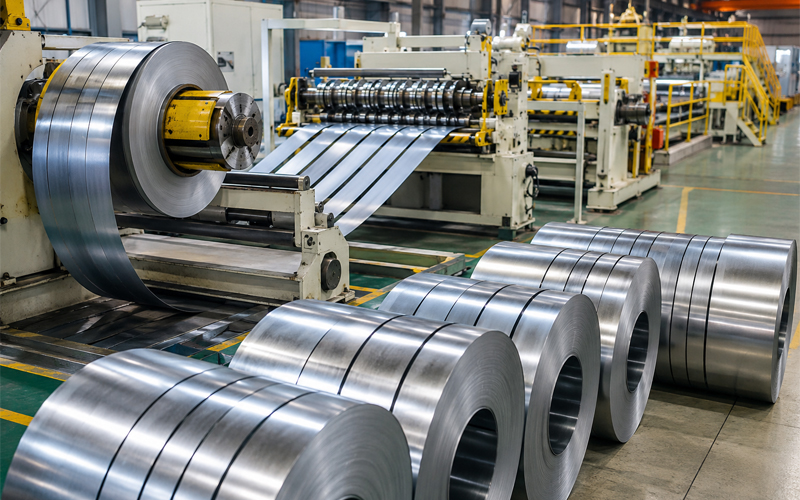
A slitting line is a coil processing system designed to cut wide metal coils into narrower strips. The process involves uncoiling, slitting, separating, tensioning, and recoiling the material into finished slit coils.
Steel service centers, tube mills, roll forming manufacturers, automotive suppliers, and construction material producers commonly utilize slitting lines to prepare raw materials for downstream production.
Why Does Slitting Line Price Vary?
There is no standard price for a steel slitting line because every project has unique production requirements. Several factors directly influence the final equipment cost.
1. Material Thickness
The thickness of the steel being processed is one of the most important pricing factors.
Light gauge slitting lines designed for thin materials require less machine strength and smaller drive systems. In contrast, heavy gauge slitting lines capable of processing thick steel require:
- Stronger machine frames
- Larger motors
- More powerful hydraulic systems
- Heavy duty tooling
As material thickness increases, the equipment price generally rises.
2. Coil Width Capacity
The maximum coil width significantly affects machine design.
Common slitting line capacities include:
- 650 mm
- 850 mm
- 1250 mm
- 1600 mm
- 2000 mm
Larger coil widths require bigger uncoilers, slitters, separators, and recoilers, resulting in higher manufacturing costs.
3. Coil Weight Capacity
Modern steel processing plants often handle coils weighing between 5 and 30 tons or more.
Higher coil weight capacities require:
- Heavy duty coil cars
- Reinforced uncoilers
- Larger hydraulic systems
- Stronger recoilers
Consequently, machines designed for heavier coils have higher prices.
4. Production Speed
Production speed directly impacts slitting line cost.
Standard slitting lines may operate at:
- 80 m/min
- 120 m/min
- 150 m/min
- 200 m/min or higher
High speed slitting lines require advanced control systems, precision engineering, and more powerful drive components, increasing the overall investment.
5. Number of Slit Strips
The maximum number of strips produced in a single pass influences the complexity of the slitting head and tooling system.
A slitting line designed to produce numerous narrow strips requires:
- Additional knife spacers
- Precision tooling
- Enhanced strip separation systems
These features contribute to a higher machine price.
Impact of Automation on Slitting Line Price
Automation has become a major factor in modern slitting line projects.
Fully automated systems often include:
- Automatic knife positioning
- CNC spacer management
- Automatic coil threading
- PLC control systems
- Remote diagnostics
- Production monitoring software
Although automated slitting lines require a higher initial investment, they can significantly reduce labor costs and improve productivity over the long term.
Tooling and Spare Parts Considerations
Many buyers focus only on the machine price while overlooking tooling costs.
A complete slitting line project may include:
- Slitting knives
- Rubber stripper rings
- Spacers
- Separator discs
- Spare hydraulic components
- Electrical spare parts
High quality tooling improves slitting accuracy and extends equipment life, making it a valuable long term investment.
Installation and Transportation Costs
The total project cost extends beyond the machine itself.
Additional expenses may include:
- Ocean freight
- Inland transportation
- Installation services
- Commissioning
- Operator training
- Factory acceptance testing
These factors should be considered when evaluating quotations from different suppliers.
How to Choose the Right Slitting Line
Rather than focusing solely on the lowest price, manufacturers should evaluate:
- Material specifications
- Production capacity
- Future expansion plans
- Machine reliability
- Supplier experience
- Technical support availability
- Spare parts service
A properly selected slitting line delivers greater productivity, lower maintenance costs, and a longer service life.
Benefits of Investing in a High-Quality Slitting Line
A well designed steel slitting line offers numerous advantages:
- High production efficiency
- Precise strip width control
- Reduced material waste
- Excellent edge quality
- Stable operation
- Lower operating costs
- Increased profitability
For many steel processors, investing in quality equipment provides long-term financial benefits that outweigh the initial purchase cost.
Conclusion
The slitting line price depends on numerous technical and operational factors, including material thickness, coil width, coil weight, production speed, automation level, and tooling requirements. Because every steel processing project is unique, manufacturers should carefully evaluate their production goals before selecting equipment.
