
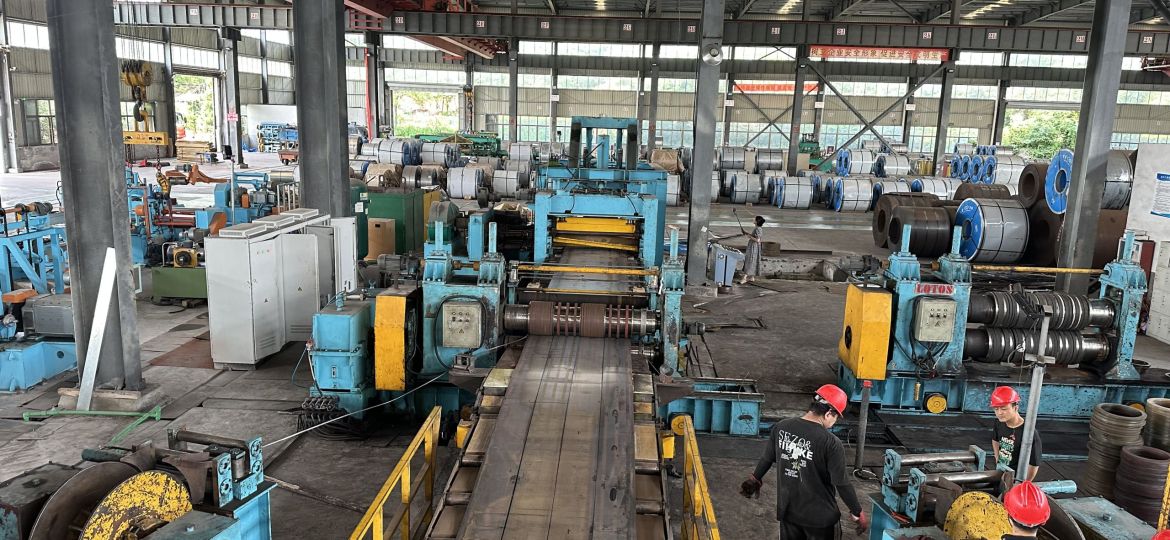
Maintaining a slitting line
Our team of skilled technicians is dedicated to preventing downtime and optimizing productivity through thorough inspections, precise adjustments, and timely repairs. We recognize the critical role your machinery plays in your operations, and our meticulous approach ensures that every component functions at its best.
To further support your needs, we offer flexible scheduling options designed to minimize disruptions to your workflow. By accommodating your timetable, we help keep your production line running smoothly and efficiently, ensuring continuous operation and maximum output.
How to Maintain Slitting Machine?
• Enhanced Productivity: Regular maintenance minimizes unexpected downtime, keeping your production lines running smoothly.
• Extended Equipment Lifespan: Proper care and timely repairs significantly increase the longevity of your slitting line machines.
• Cost Effective Operations: Prevent costly breakdowns and reduce long term repair expenses through proactive maintenance.
• Optimal Cutting Precision: Well maintained machines deliver consistently high quality cuts, ensuring customer satisfaction.
Maintenance and Troubleshooting slitting line
A slitting line machine comprises several critical components that demand regular inspection and maintenance. These include the uncoiler, slitter head, recoiler, and various drive systems. Each component plays a vital role in the slitting process, and any malfunction can lead to significant disruptions in production. Regular lubrication, alignment checks, and wear part replacements are essential to keep these components functioning at peak performance levels.
FAQ:
Regular maintenance helps ensure stable production, accurate slitting quality, longer machine lifespan, reduced downtime, and lower repair costs. Preventive maintenance also improves operator safety and production efficiency.
Blades should be cleaned regularly, inspected for wear, sharpened when necessary, and replaced if damaged. Proper blade alignment is essential to achieve clean slit edges and minimize burr formation.
Operators should regularly check hydraulic oil levels, monitor pressure readings, replace filters according to schedule, and inspect hoses and fittings for leaks or damage.
Operators should follow proper operating procedures, avoid machine overloading, perform scheduled maintenance, use quality consumables, and keep the equipment clean and well-lubricated.
Yes. Preventive maintenance significantly reduces unexpected breakdowns, minimizes spare part replacement costs, increases machine availability, and improves overall production efficiency.
