Steel Coil Processing
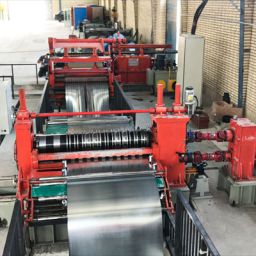
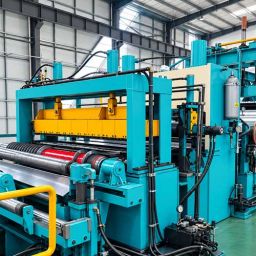
Steel coil processing is the industrial process of converting large master steel coils into finished products with precise dimensions and specifications. Through a series of automated operations, steel coils are slit, cut to length, leveled, packaged, or recoiled to meet the requirements of manufacturers across various industries. Modern coil steel processing systems improve productivity, minimize material waste, and ensure consistent product quality.
As global manufacturing continues to demand higher precision and greater production efficiency, advanced steel coil processing technology has become an essential part of the steel supply chain. Industries such as automotive, construction, home appliances, electrical equipment, renewable energy, and metal fabrication rely on processed steel coils for producing high quality components and finished products.
At LOTOSSLITTING, we design and manufacture complete coil processing solutions that provide high speed operation, precision control, and long-term reliability for customers worldwide.
Understanding Steel Coil Processing
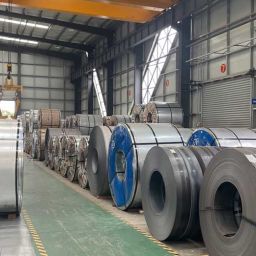
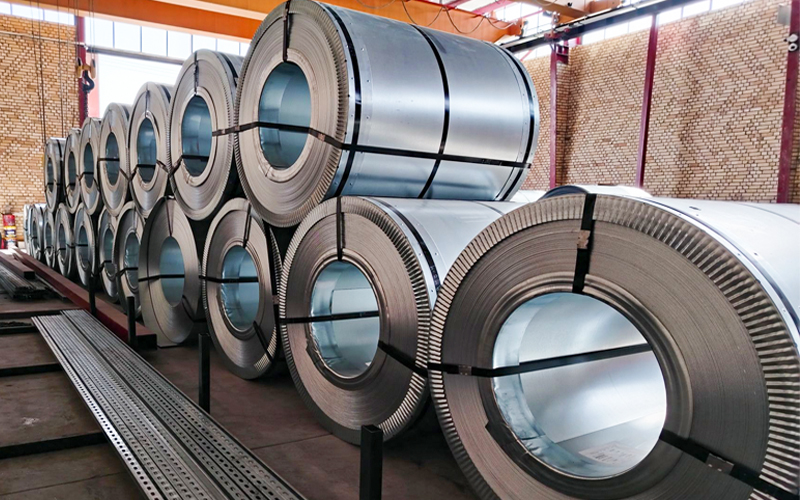
Steel is commonly produced in the form of large coils after hot rolling or cold rolling. These master coils are often too wide, too heavy, or too long for direct manufacturing applications. Steel coil processing transforms these coils into usable materials by modifying their width, length, flatness, or packaging according to customer specifications.
Depending on production requirements, a processing line may include one or several operations performed in sequence through an automated system.
The primary objectives of coil processing include:
- Improving dimensional accuracy
- Producing customized strip widths and sheet lengths
- Increasing production efficiency
- Reducing material waste
- Protecting product surface quality
- Simplifying downstream manufacturing processes
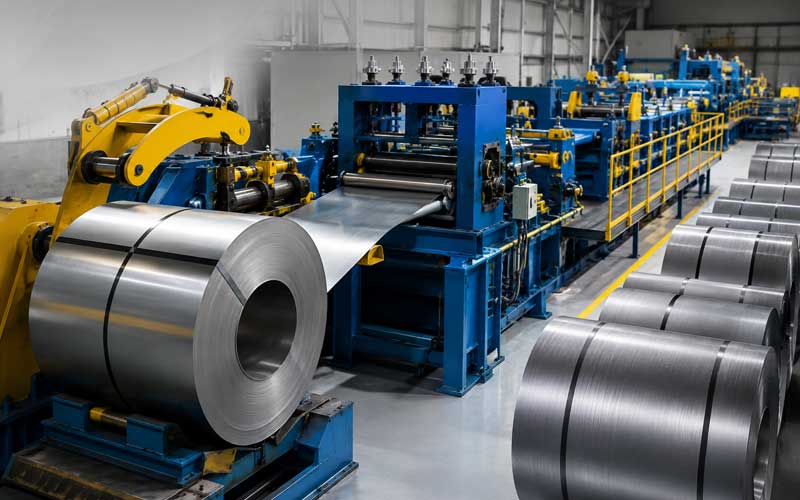
Main Processes in Coil Steel Processing
Coil Loading and Uncoiling
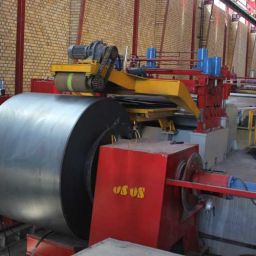
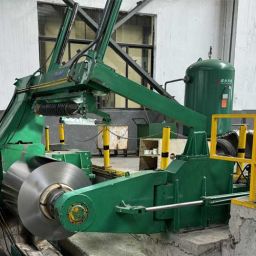
The process begins with loading the master steel coil onto a hydraulic uncoiler. The uncoiler feeds the strip into the production line under controlled tension while maintaining stable material movement.
Coil Leveling
Steel coils often contain internal stresses created during rolling and coiling. A precision leveler removes coil set, edge wave, and crossbow to produce flat material suitable for further processing.
Benefits include:
- Improved flatness
- Better dimensional accuracy
- Enhanced forming performance
- Higher product quality
Steel Coil Slitting
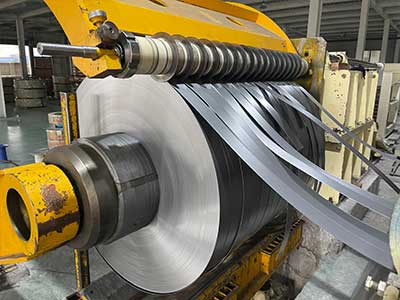
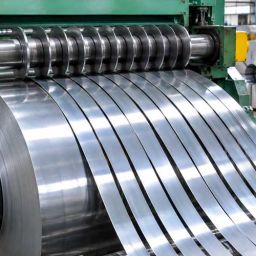
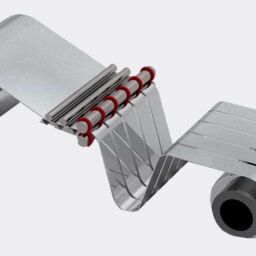
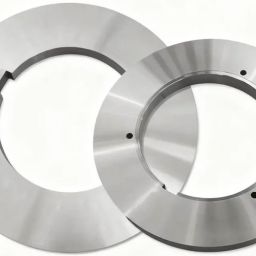
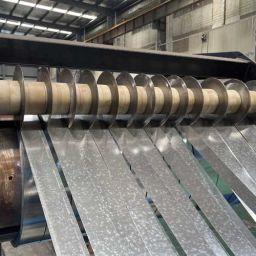
Slitting is one of the most important operations in steel coil processing. Circular slitting knives cut the wide master coil into multiple narrower strips according to customer requirements.
Modern slitting lines provide:
- High cutting accuracy
- Burr-free edges
- Consistent strip width
- High production speed
- Automatic knife positioning (optional)
Slit coils are widely used in tube mills, roll forming machines, stamping lines, transformer manufacturing, automotive production, and metal fabrication.
Cut to Length Processing
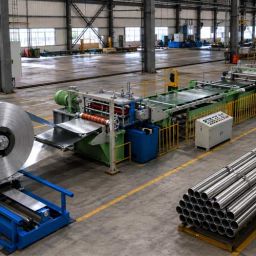
Instead of producing narrow coils, some customers require steel sheets with precise lengths. A Cut to Length (CTL) Line cuts the continuously fed strip into flat sheets using flying shear or stop shear technology.
Applications include:
- Steel service centers
- Roofing production
- Sheet metal fabrication
- Automotive panels
- Industrial equipment manufacturing
Recoiling
After slitting, each narrow strip is rewound into finished coils using precision recoilers. Proper tension control ensures tight, uniform coils without telescoping or surface damage.
Coil Packing
Finished coils are automatically packaged using horizontal or vertical coil packing machines. Proper packaging protects the material during transportation and storage while reducing handling damage.
Packaging options include:
- Stretch film wrapping
- VCI anti-corrosion packaging
- Paper wrapping
- Steel strap binding
- Eye-to-sky packaging
- Eye-to-wall packaging
Equipment Used in Steel Coil Processing
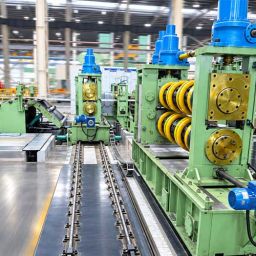
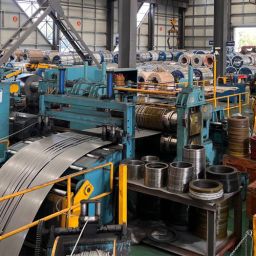
A complete coil processing line typically includes:
- Hydraulic Coil Car
- Hydraulic Uncoiler
- Pinch Roll Unit
- Precision Leveler
- Loop Pit or Strip Accumulator
- Slitting Machine
- Scrap Winder
- Separator Unit
- Tension Station
- Recoiler
- Coil Discharge Car
- Automatic Packing Machine
- PLC Control System
- Hydraulic System
- Electrical Control Cabinet
Each component is designed to operate in synchronization, ensuring continuous production with maximum efficiency.
Materials Suitable for Coil Processing
Modern coil steel processing equipment can process a wide variety of metal materials, including:
- Carbon Steel
- Stainless Steel
- Galvanized Steel
- Galvalume Steel
- Silicon Steel
- Electrical Steel
- Aluminum Coil
- Copper Strip
- Pre-painted Steel (PPGI)
- High-Strength Steel
Machine configuration varies depending on material thickness, tensile strength, and production requirements.
Industries Using Steel Coil Processing
Processed steel coils are essential in numerous industries, including:
- Construction
- Automotive Manufacturing
- Tube and Pipe Production
- Roll Forming
- Electrical Equipment
- Renewable Energy
- Home Appliances
- HVAC Systems
- Steel Service Centers
- Metal Furniture Manufacturing
- Warehouse Storage Systems
- Shipbuilding
- Agricultural Equipment
- Industrial Machinery
Benefits of Automated Coil Processing
Modern automated steel coil processing lines provide significant advantages over conventional production methods.
Higher Productivity
Continuous operation allows manufacturers to process large coil volumes with minimal downtime.
Improved Accuracy
Servo-controlled equipment maintains precise width, length, and flatness throughout production.
Reduced Labor Costs
Automated loading, cutting, recoiling, and packaging reduce manual intervention while improving workplace safety.
Better Material Utilization
Precision control minimizes scrap generation and increases raw material efficiency.
Consistent Product Quality
Advanced tension control and precision tooling ensure repeatable production quality from the first coil to the last.
Flexible Production
Modern systems can quickly change production parameters to process different coil widths, thicknesses, and materials.
Factors to Consider When Selecting Coil Processing Equipment
Choosing the right coil processing system depends on several technical factors:
- Coil width range
- Material thickness
- Steel grade and tensile strength
- Production speed
- Finished product requirements
- Automation level
- Annual production capacity
- Future expansion plans
- Maintenance requirements
- Energy efficiency
Working with an experienced equipment manufacturer ensures that the production line is tailored to specific manufacturing needs.
Why Choose LOTOSSLITTING?
Lotosslitting specializes in designing and manufacturing advanced steel coil processing equipment for customers worldwide. Our product portfolio includes high speed slitting lines, cut to length lines, coil packing machines, strip packaging systems, and customized turnkey coil processing solutions.
Every machine is engineered using precision manufacturing techniques, premium components, and intelligent PLC automation to deliver outstanding performance, reliability, and long service life. From project planning and equipment manufacturing to installation, commissioning, and technical support, Lotosslitting provides complete solutions that help manufacturers improve efficiency and maximize return on investment.
Conclusion
Steel coil processing is a critical manufacturing operation that transforms master coils into precisely processed products ready for industrial use. By integrating leveling, slitting, cut to length, recoiling, and automated packaging into one continuous production line, manufacturers can achieve higher productivity, superior quality, and lower operating costs.