What is a Coil Slitting Line?
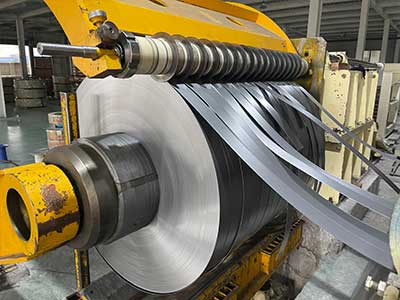
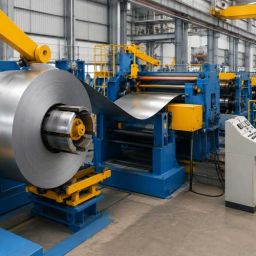
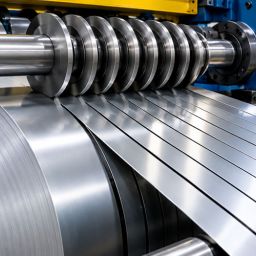
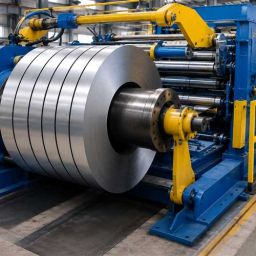
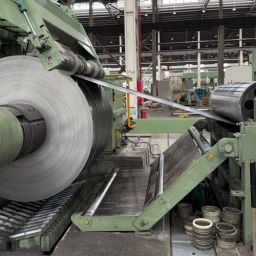
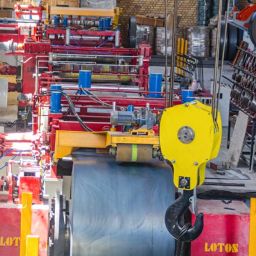
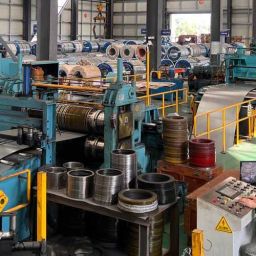
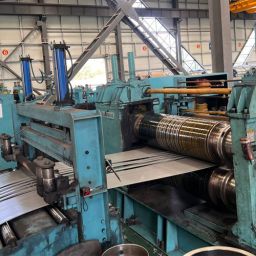
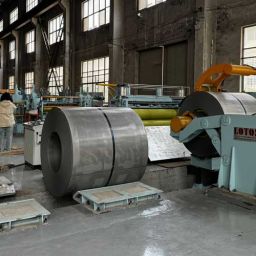
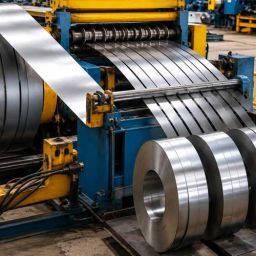
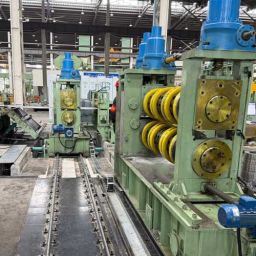
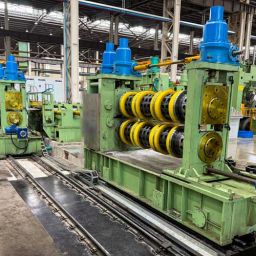
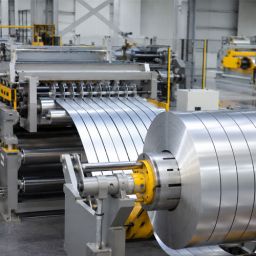
A coil slitting line is a sophisticated machine used to cut wide coils of steel into narrower strips. It consists of several components that work together to ensure precise and efficient cutting. The main components of a slitting line include an uncoiler, straightener, slitter head, and recoiler. The uncoiler unwinds the steel coil, while the straightener ensures the flatness of the strip. The slitter head is responsible for cutting the coil into narrower strips, and the recoiler winds the strips into smaller coils.
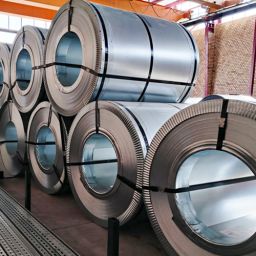
STAINLESS STEEL SLITTING LINE
The Stainless steel slitting proficiencies mean that all materials sent into the slit are done so according to the exact qualifications.
Coil slitting lines come in various types, each design to cater to specific manufacturing needs. Let’s explore some of the most common types of coil slitting lines available in the market.
DIFFERENCE BETWEEN THE SLITTING LINE & CUT TO LENGTH MACHINE
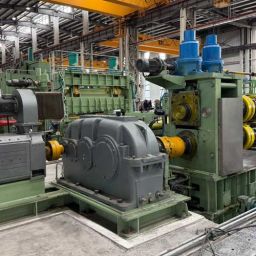
“COMPONENTS SLITTING LINE”Coil slitting lines come in various types, each design to cater to specific manufacturing needs. Let’s explore some of the most common types of coil slitting lines available in the market.
FAQ:
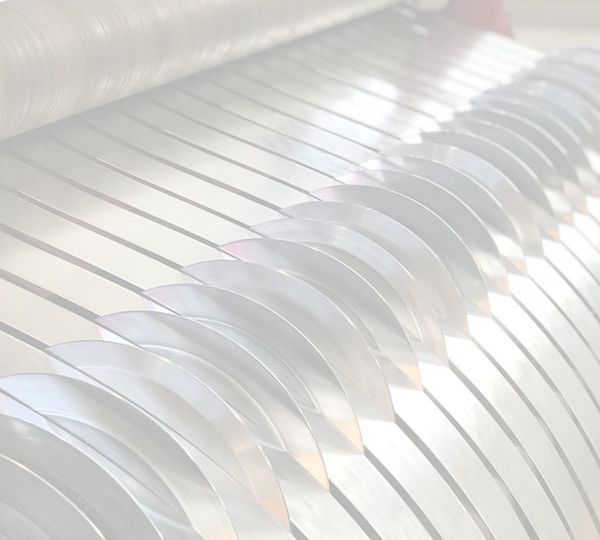
A steel slitting line unwinds the master coil, feeds it through a set of slitting knives, separates the material into narrower strips, and rewinds each strip into finished coils. The process ensures high dimensional accuracy and efficient production.
The steel slitting process is a manufacturing operation that cuts a wide steel coil into multiple narrower coils using rotating circular knives. It enables manufacturers to obtain precise strip widths for various industrial applications.
Yes. Stainless steel slitting follows the same basic process, although specialized tooling and tension control systems are often used to maintain edge quality and prevent surface damage.
When selecting a steel slitting line, consider the coil width, material thickness, steel grade, production capacity, required strip widths, automation level, and future expansion requirements.
Key factors include knife sharpness, knife clearance, machine alignment, tension control, material properties, and operator experience. Proper setup is essential for achieving burr-free and consistent results.