What Is Steel Slitting?
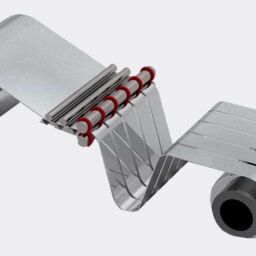
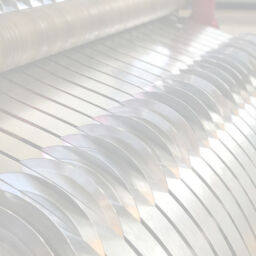
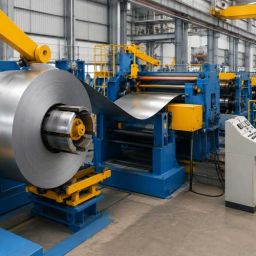
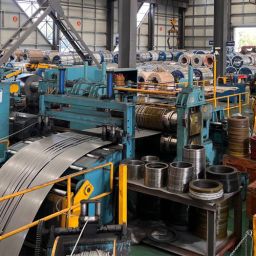
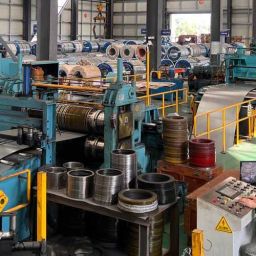
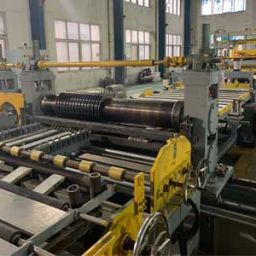
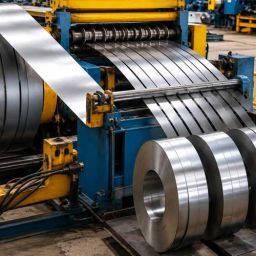
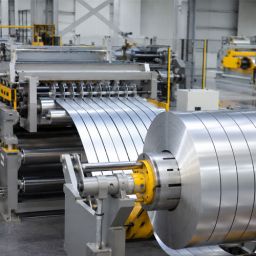
Slitting is a metal processing operation in which a wide coil of steel, aluminum, stainless steel, or other metal is cut into multiple narrower strips. The process is performed using a slitting line, a production system equipped with precision rotary knives that continuously cut the material while maintaining high dimensional accuracy.
In the steel industry, slitting is one of the most important coil processing methods because it enables manufacturers to produce strips with customized widths for downstream manufacturing operations.
What Does Slitting Mean in Manufacturing?
In manufacturing, slitting refers to the longitudinal cutting of continuous sheet material. Unlike shearing, which cuts across the width, slitting cuts along the length of the material.
The process allows one large master coil to be divided into several smaller coils with precise widths while minimizing material waste.
For example:
- Master Coil Width: 1,500 mm
- Slit Widths: 250 mm × 6 strips
Instead of purchasing six separate coils, manufacturers process one master coil into six finished coils.
How Does a Slitting Line Work?
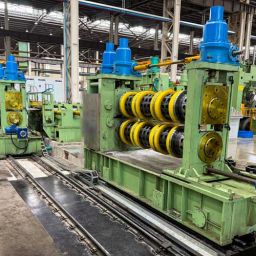
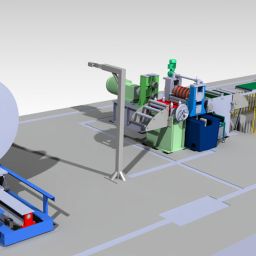
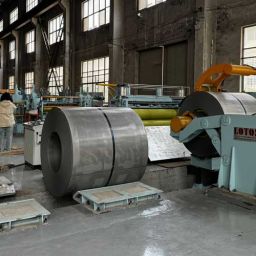
A modern steel slitting line follows several automated processing stages.
1. Coil Loading
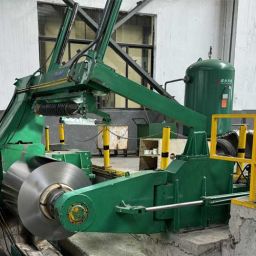
A hydraulic coil car transfers the master coil onto the decoiler safely and efficiently.
2. Decoiling
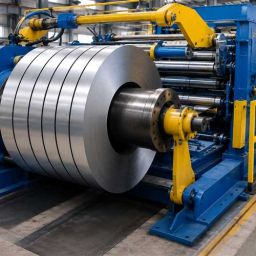
The decoiler unwinds the steel coil while maintaining constant tension.
3. Leveling (Optional)
Some production lines include a leveling machine to improve flatness before slitting.
4. Slitting
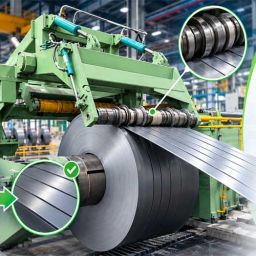
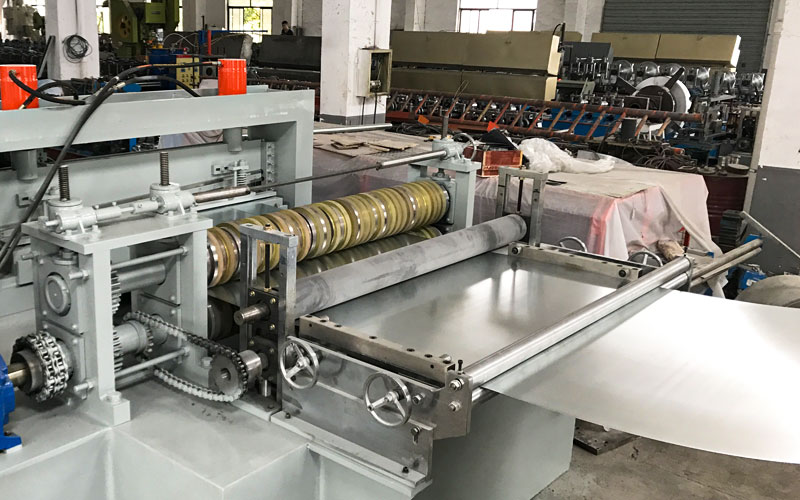
The strip passes through a slitter head fitted with multiple circular knives.
The rotary knives cut the material longitudinally according to the required strip widths.
5. Scrap Winding
Edge trim is automatically collected using scrap winders to keep the production area clean.
6. Tension Control
A tension stand ensures that every strip remains stable during rewinding.
7. Recoiling
Finally, the slit strips are rewound into individual coils with controlled tension and excellent edge quality.
Main Components of a Slitting Line
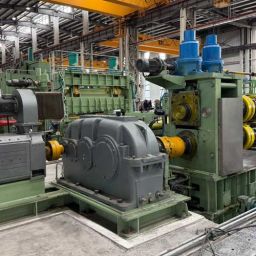
A complete slitting line typically includes:
- Hydraulic Coil Car
- Hydraulic Decoiler
- Pinch Roll
- Leveling Machine
- Slitter Head
- Spacer System
- Scrap Winder
- Loop Pit
- Tension Stand
- Recoiler
- Coil Unloading Car
- Electrical Control System
- Hydraulic System
Each component contributes to stable production and high cutting accuracy.
Materials That Can Be Slit
Modern slitting lines process numerous materials, including:
- Carbon Steel
- Stainless Steel
- Galvanized Steel (GI)
- Galvalume Steel
- Aluminum Coil
- Copper Coil
- Silicon Steel
- Pre-painted Steel (PPGI)
- Electrical Steel
Material thickness typically ranges from 0.2 mm to 16 mm, depending on machine design.
Applications of Slit Coils
Slit coils are widely used in many manufacturing industries.
Automotive Industry
- Structural components
- Reinforcement parts
- Tubes and pipes
Construction
- Roofing panels
- Wall cladding
- Steel framing
- Ceiling systems
Electrical Industry
- Transformer laminations
- Cable trays
- Electrical cabinets
Home Appliances
- Refrigerators
- Washing machines
- Air conditioners
Roll Forming Industry
Roll forming machines require accurately slit coils to produce:
- C Purlins
- Z Purlins
- CZ Purlins
- Solar Channels
- Stud and Track Profiles
- Cable Trays
- Guardrails
Advantages of Steel Slitting
The slitting process offers several important benefits.
High Precision
Modern CNC controlled slitting lines provide accurate strip widths with minimal tolerance.
High Productivity
Continuous production significantly increases manufacturing efficiency.
Reduced Material Waste
Optimized knife arrangements maximize material utilization.
Excellent Edge Quality
Sharp rotary knives produce clean edges with minimal burr.
Lower Manufacturing Costs
Processing one large master coil into multiple finished coils reduces inventory costs and improves production flexibility.
Slitting vs Shearing

Types of Slitting Lines
Manufacturers offer different slitting line configurations based on production requirements.
Light Gauge Slitting Line
Suitable for:
- 0.2–3 mm steel
- Aluminum
- Stainless steel
Applications include home appliances and precision metal products.
Medium Gauge Slitting Line
Designed for:
- 2–6 mm steel
Common in construction and machinery manufacturing.
Heavy Gauge Slitting Line
Capable of processing:
- 6–16 mm steel
Used in shipbuilding, heavy equipment, and structural steel production.
Factors Affecting Slitting Quality
Several variables determine the final quality of slit coils.
- Knife sharpness
- Knife clearance
- Spacer accuracy
- Strip tension
- Material hardness
- Recoiling pressure
- Machine alignment
- Operator experience
Proper machine setup ensures smooth edges and consistent strip widths.
Why Precision Matters
Even small dimensional errors can create significant problems during downstream manufacturing.
High-quality slit coils improve:
- Roll forming accuracy
- Tube mill production
- Stamping operations
- Laser cutting
- Welding consistency
For manufacturers, investing in a precision slitting line reduces downtime and improves product quality.
Choosing the Right Slitting Line
When selecting a slitting machine, consider:
- Coil width
- Material thickness
- Material type
- Production speed
- Number of slit strips
- Width tolerance
- Automation level
- Future production capacity
A customized slitting line ensures maximum productivity and long-term operational efficiency.
Why Choose LOTOSSLITTING?
At Lotosslitting, we design and manufacture advanced steel slitting lines for customers worldwide. Our solutions are engineered for high precision, stable performance, and long service life.
Our advantages include:
- High-speed production lines
- Precision rotary slitting technology
- Custom machine configurations
- Automatic control systems
- Strong engineering support
- Worldwide installation and commissioning
- One-year warranty
- Ten years of after-sales technical support
Whether processing carbon steel, stainless steel, galvanized steel, or aluminum, Lotosslitting provides reliable slitting solutions tailored to your production needs.
Conclusion
Understanding the slitting meaning is essential for anyone involved in steel processing and manufacturing. Slitting transforms wide metal coils into accurately sized narrow strips, enabling efficient production across industries such as automotive, construction, appliance manufacturing, and roll forming.
Modern slitting lines combine precision engineering, automation, and high production speed to deliver consistent quality while minimizing material waste. Choosing the right slitting equipment ensures greater productivity, lower operating costs, and superior finished products.
FAQ:
A steel slitting line is used to slit metal coils. It typically includes a decoiler, slitter head, tension stand, recoiler, and control system.
Slitting is the process of cutting a wide metal coil into multiple narrower coils using precision rotary knives.
Slitting allows manufacturers to produce coils with precise widths, reduce waste, improve downstream manufacturing efficiency, and lower production costs.
Steel, stainless steel, galvanized steel, aluminum, copper, electrical steel, and other coil materials can all be processed on a slitting line.