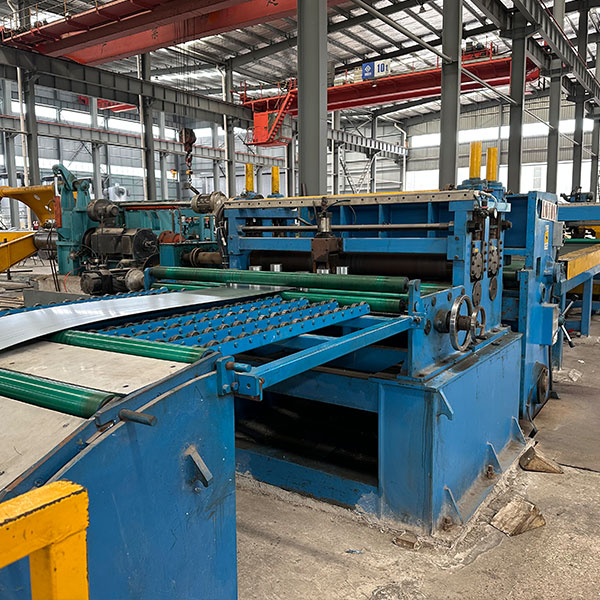


Cut to length cutting line
Choosing the right cut to length machines is crucial for maximizing efficiency and precision in your manufacturing process. Consider the following factors when selecting a machine:
Material type and thickness: Different machines are designed to handle specific materials and thicknesses. Ensure the machine you choose is capable of cutting the materials you work with.
Production volume: Determine your production volume requirements to select a machine that can handle the desired output. Consider both the maximum and average production rates to ensure the machine can meet your demands.
Automation level: Cut to length machines come with varying levels of automation. Assess your production needs and capabilities to determine the level of automation that suits your operations.
Space availability: Consider the available space in your facility when selecting a cut-to-length machine. Ensure the machine fits comfortably within your production area without causing any operational constraints.
Budget constraints: Set a budget for your machine investment and consider the long-term return on investment (ROI). While cost is an important factor, it should be balanced with the machine’s capabilities and reliability.
Consulting with experts and reputable suppliers can help you navigate the selection process and ensure you choose a cutting machine that best suits your specific requirements.
FAQ :
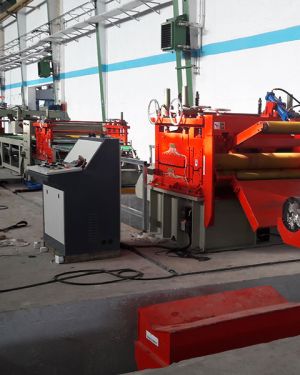
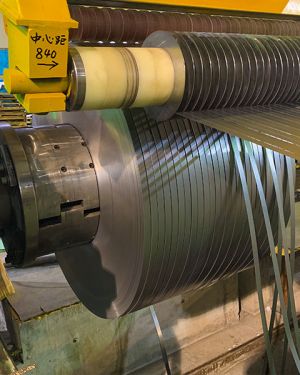
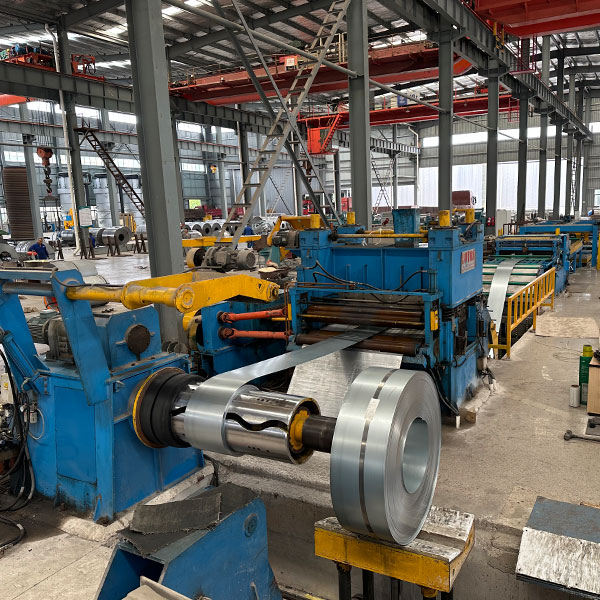
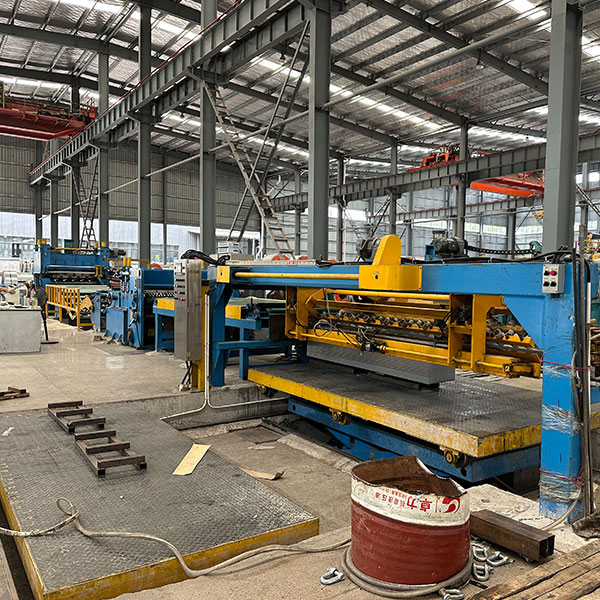
The coil is loaded onto an uncoiler and fed into the leveling unit. The material is straightened and accurately measured before being cut to the required length by a high-precision shearing system. The finished sheets can then be transferred and stacked automatically.
The main advantages include:
- High cutting accuracy
- Consistent sheet dimensions
- Efficient coil processing
- Reduced material waste
- Automatic feeding and cutting
- High production efficiency
- Easy operation through a PLC control system
- Optional automatic sheet stacking
Production speed depends on factors such as material thickness, sheet length, leveling requirements, cutting accuracy, and automation configuration. The manufacturer can recommend a suitable speed based on the customer’s specific production requirements.
This type of line is commonly used in steel service centers, metal fabrication, construction, automotive components, appliance manufacturing, HVAC, and general sheet-metal processing.