Metal Slitting Line in Photovoltaic System
The Solar Structure Coil Processing Line is a highly specialized production system designed to process metal coils into precise components used in photovoltaic (PV) mounting structures. With the rapid growth of solar energy worldwide, demand for high quality, durable, and accurately processed metal parts has increased significantly. This production line plays a key role in ensuring efficiency, consistency, and structural reliability in solar infrastructure manufacturing.
LOTOSSLITTING, as a professional manufacturer of slitting and coil processing equipment, provides advanced solutions tailored for solar structure applications. These systems are engineered to handle various coil materials such as galvanized steel, carbon steel, and high strength alloys used in solar mounting systems.
Steel Coil Processing for Solar Industry Applications
Solar mounting structures require precise dimensions and excellent surface quality to ensure long term durability in outdoor environments. Any deviation in strip width, thickness, or edge quality can affect the structural integrity of the final solar frame.
The Solar Structure Coil Processing Line ensures:
- High precision slitting and leveling
- Consistent material quality
- Reduced material waste
- Increased production efficiency
- Compatibility with automated forming systems
This makes it an essential part of modern photovoltaic manufacturing plants.
How Metal Slitting Line Works in Solar Structure Production?
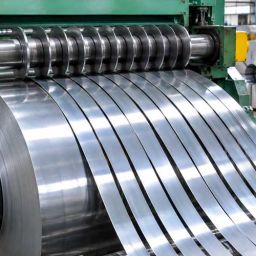
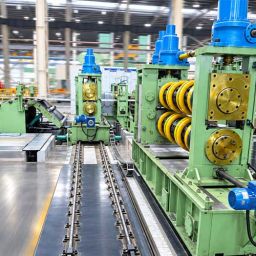
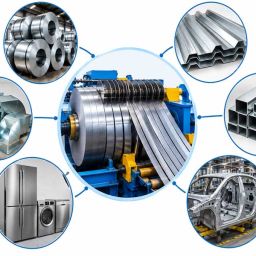
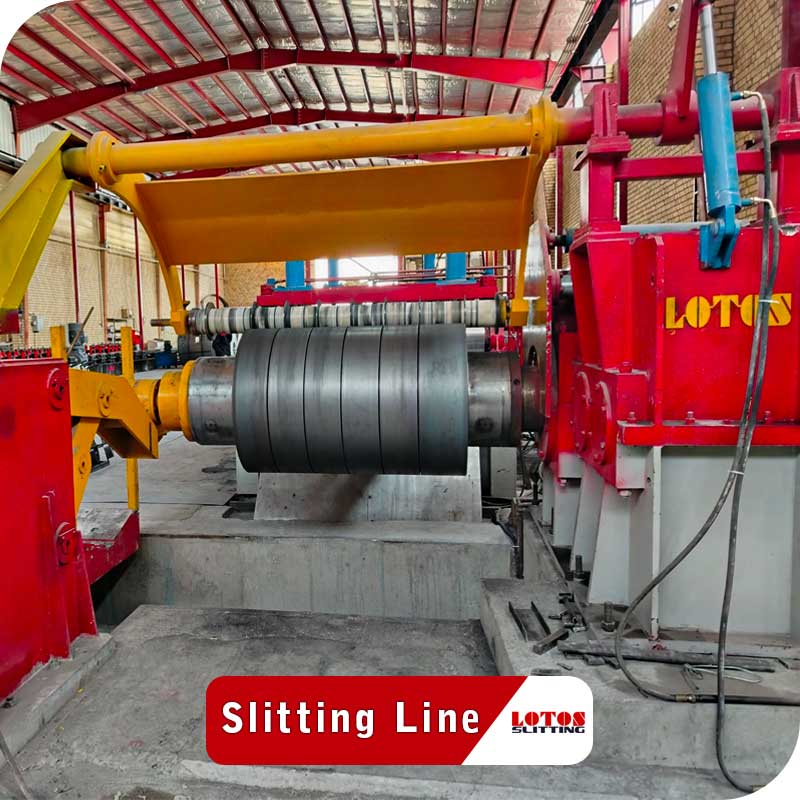
A Metal Slitting Line is a core component in solar structure production, responsible for converting wide metal coils into narrower strips that are later used in roll forming processes.
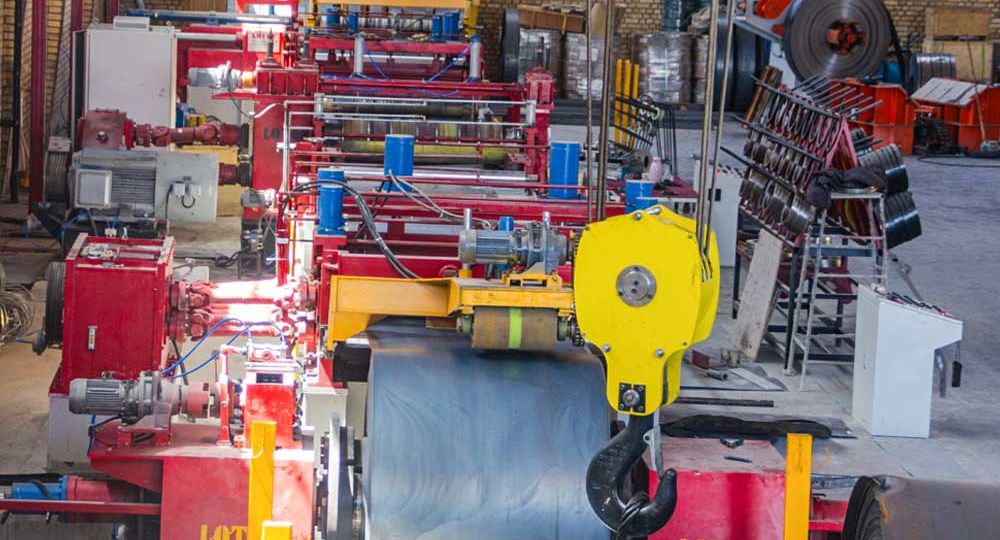
The working process includes the following stages:
1. Coil Loading
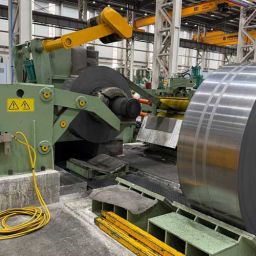
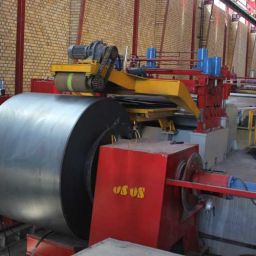
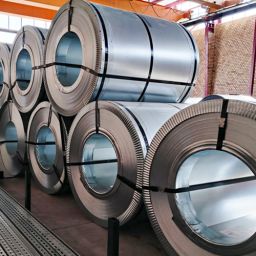
Large metal coils are loaded onto an uncoiler system. The coil is securely held and prepared for controlled feeding into the production line.
2. Decoiling and Straightening
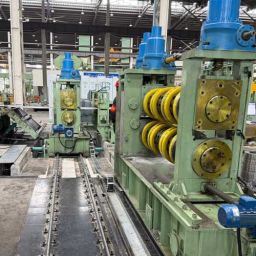
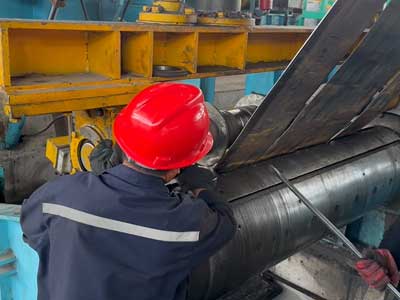
The metal strip is unwound and passed through a straightening unit to remove coil set and ensure flatness. This step is crucial for maintaining precision in solar structural components.
3. Slitting Process
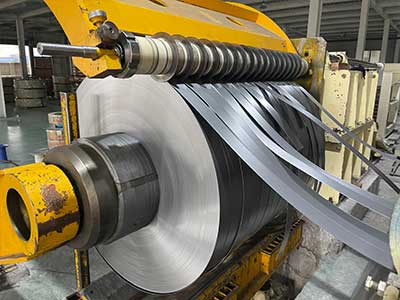
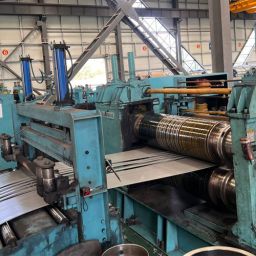
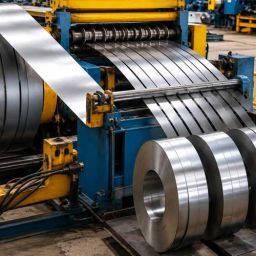
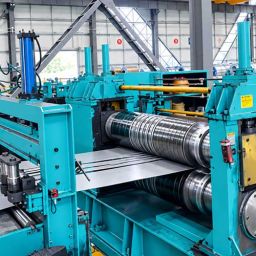
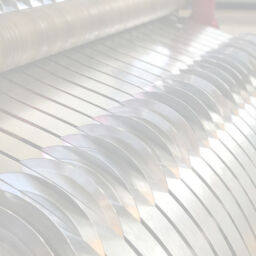
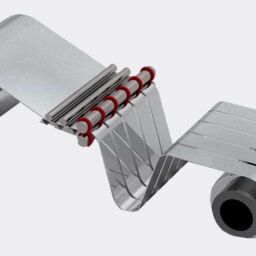
The material is guided through rotary slitting knives that cut the wide coil into multiple narrower strips. Each strip is cut according to specific width requirements for solar mounting profiles.
4. Edge Trimming and Quality Control
During slitting, edge trimming ensures clean and burr free edges. This improves the performance and safety of downstream forming processes.
5. Recoiling
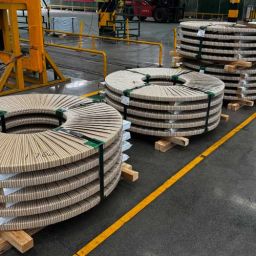
After slitting, each strip is recoiled separately using a recoiler system. These coils are then ready for transportation or direct use in roll forming lines.
Metal Slitting Line in Photovoltaic System
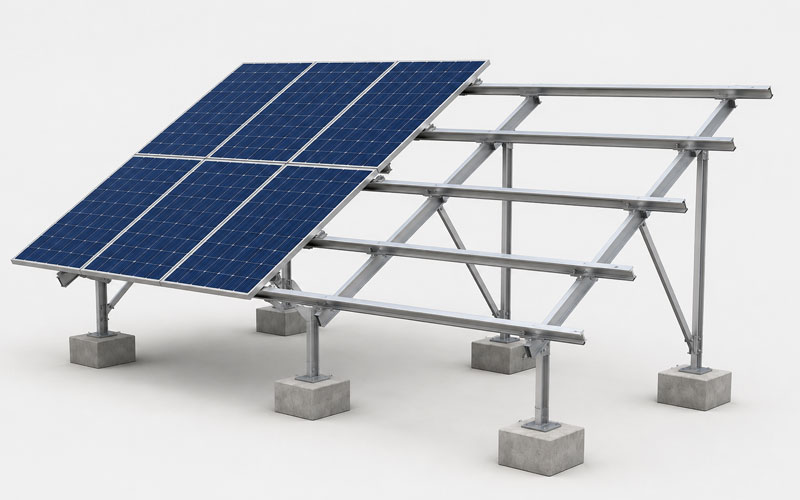
In photovoltaic system manufacturing, the Metal Slitting Line is a foundational process that directly impacts the quality of solar mounting structures.
Solar systems require high-strength steel components that can withstand harsh environmental conditions such as wind, corrosion, and temperature variations. The slitting line ensures that raw steel coils are precisely processed to meet these demanding standards.
Key benefits in PV applications include:
- Accurate strip width for solar frame production
- High speed processing for mass production
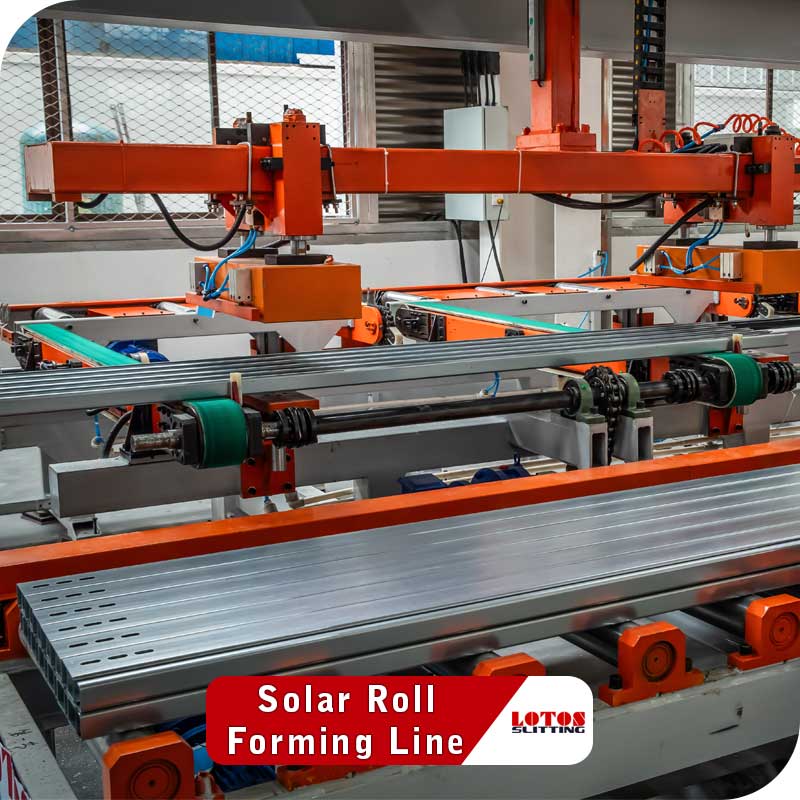
- Compatibility with roll forming lines for solar brackets
- Improved structural stability of mounting systems
- Cost-effective material utilization
By integrating advanced slitting technology, manufacturers can achieve higher productivity and maintain consistent quality in solar structure production.
Conclusion
The Solar Structure Coil Processing Line is an essential part of modern photovoltaic manufacturing. It ensures that raw steel coils are efficiently converted into high-precision strips used in solar mounting systems. With advanced Metal Slitting Line technology, manufacturers can improve production speed, reduce waste, and achieve superior product quality.
FAQ:
It can process galvanized steel, carbon steel, stainless steel, and other high-strength metals commonly used in solar structures.
It ensures accurate dimensions, strong structural integrity, and high-quality surface finishing required for outdoor solar installations.
Yes, regular maintenance is essential to ensure long-term performance, precision cutting, and safe operation.
It is an industrial system designed to process metal coils into precise strips and components used in solar mounting and photovoltaic structures.