Slitting and Rewinding Machines
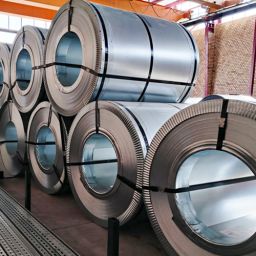
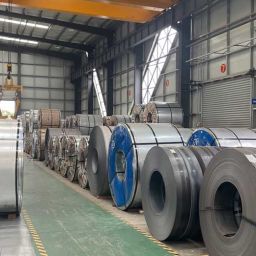
Metal producers, service centers and downstream manufacturers rarely use master coils in the width in which they leave the mill. Automotive components, appliances, roll-formed profiles, electrical laminations, packaging materials and construction products each require strip of a specific width, thickness and edge condition. Slitting and winding solutions bridge this gap by converting wide master coils into multiple narrower coils with high dimensional accuracy, clean edges and uniform winding.
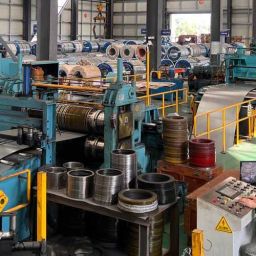
A well engineered slitting line does more than cut metal. It controls tension, protects surface quality, minimizes scrap and ensures that every finished coil can be fed smoothly into the next production process. This article explains how slitting and winding systems work, which components determine performance, and how to select the right solution for your application.
What Are Slitting and Winding Solutions?
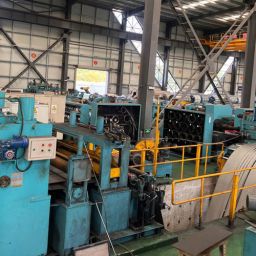
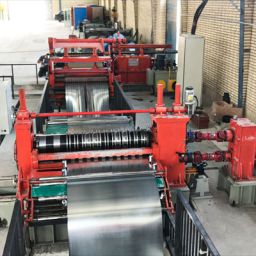
A slitting and winding solution is an integrated processing system that performs three core functions:
- Uncoiling the master coil in a controlled manner.
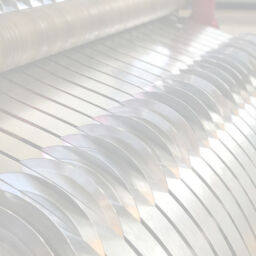
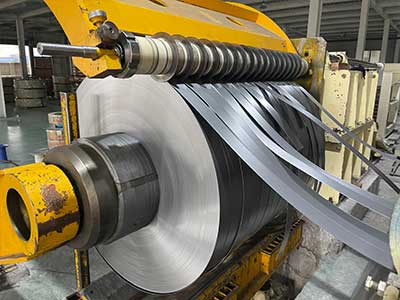
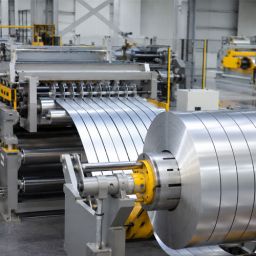
- Slitting the strip lengthwise into several narrower strips using rotary circular knives.
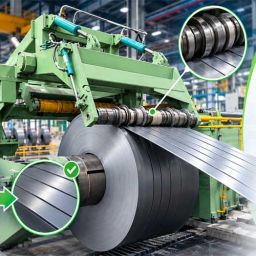
- Winding (recoiling) the slit strips into tight, evenly layered coils with consistent tension.
The result is a set of narrow coils, commonly referred to as “mults,” that meet the exact width tolerances required by the customer’s downstream process.
Key Components of a Slitting Line
1. Coil Car and Uncoiler
The coil car transports the master coil to the uncoiler mandrel. The uncoiler, which may be a single-mandrel or double-mandrel (turret) design, holds and pays out the coil at a controlled speed. Hydraulic or mechanical expansion of the mandrel ensures secure gripping of coils with varying inner diameters. A loading arrangement with a hold-down arm prevents coil loosening during start-up.
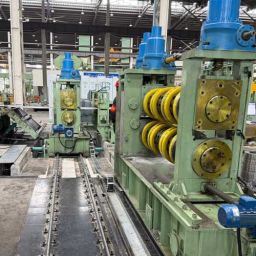
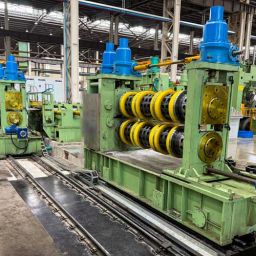
2. Entry Guiding, Leveling and Pinch Roll Section
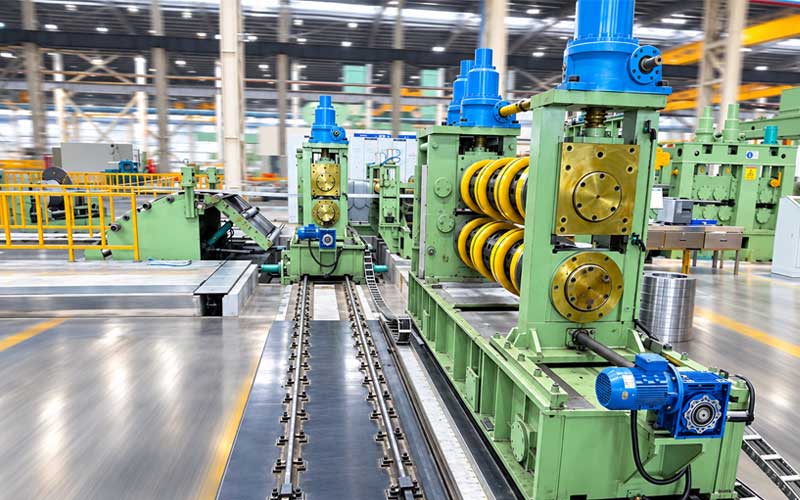
Before the strip reaches the slitting head, it passes through a pinch and leveling unit. This section straightens the leading end, removes coil set where required, and feeds the material into the slitter with stable alignment. A side-guide or steering system keeps the strip centered, which is essential for repeatable slitting accuracy.
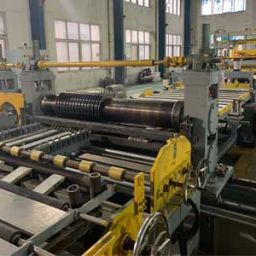
3. Slitter Head and Knife Arbors
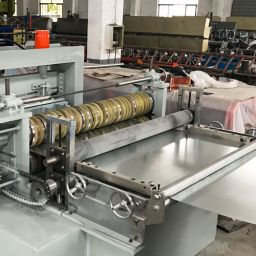
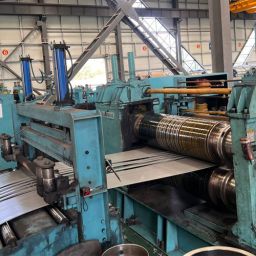
The slitter head is the heart of the line. It consists of two parallel arbors that carry matched sets of upper and lower circular knives separated by precision spacers. Key considerations include:
- Knife material and hardness: Tool steel, high speed steel or tungsten carbide, selected according to the material being processed.
- Knife clearance and overlap: Adjusted according to material thickness and tensile strength to achieve a clean shear with minimal burr.
- Quick-change design: Cassette style or pre set arbor systems that reduce changeover time between jobs.
- Slitting accuracy: Well built heads can hold width tolerances within a very narrow range, commonly in the order of ±0.1 mm, depending on material and configuration.
4. Scrap Winder or Chopper
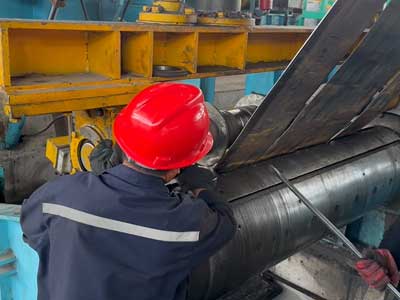
Edge trim produced during slitting is either wound into a scrap coil or cut into short pieces by a scrap chopper. Reliable edge trim handling prevents line stoppages and improves operator safety.
5. Loop Pit or Looping Section
Between the slitter and the recoiler, a loop (pit or bridge type) absorbs speed differences between the slitting section and the winding section. This decoupling stabilizes the process and prevents tension spikes that could damage the strip.
6. Separator and Tension Station
The separator guides each slit strip to its position on the recoiler. The tension station, often a pad, roller or brush type unit, applies controlled back tension to the individual strips. Proper tension is the single most important factor in achieving a tightly wound, telescoping-free coil.
7. Recoiler (Winding Unit)
The recoiler winds the slit strips into finished coils. Important features include:
- Differential or friction slip winding to maintain uniform tension across multiple strips of different widths.
- Outboard support (rewind arbor support) for heavy coils and stable high-speed winding.
- Coil-end hold-down and strapping integration for neat finished packages.
- Coil ejection and unloading devices for efficient handling.
Why Winding Quality Matters
Many buyers focus on the slitting knives, yet poor winding can undermine an otherwise accurate cut. Common winding defects include:
- Telescoping: Layers shifting sideways, forming a conical coil face.
- Loose or soft coils: Insufficient tension that causes collapse or deformation during handling.
- Edge damage: Strip edges deformed by misalignment or excessive pressure.
- Uneven coil build-up: Narrow strips wound at different diameters than their neighbors.
A properly designed winding system uses tension control, separator discs, edge guiding and, where needed, a paper or film interleaving unit to protect delicate surfaces. These measures yield compact, uniform coils that ship safely and run reliably on customer lines.
Materials Suited to Slitting and Winding Lines
Modern slitting and winding systems process a broad range of materials, including:
- Cold-rolled and hot-rolled carbon steel
- Galvanized and pre-painted (PPGI) steel
- Stainless steel
- Aluminum and aluminum alloys
- Copper and brass
- Silicon steel (electrical steel)
- Other non-ferrous metals and specialty alloys
Line configuration, knife selection and tension settings must be matched to the thickness range and surface sensitivity of each material. For example, pre-painted and stainless coils typically call for surface-protection features such as interleaf paper, polished or coated rolls and carefully controlled knife clearance.
Benefits of an Optimized Slitting and Winding Solution
- Higher yield: Precise width control and optimized cutting plans reduce edge trim and scrap.
- Improved productivity: Quick change knife systems and automated setup shorten changeover time.
- Superior coil quality: Consistent tension delivers tight, straight-sided coils with minimal burr.
- Lower operating cost: Durable tooling and stable processes reduce knife wear and unplanned downtime.
- Flexibility: One line can serve multiple customers, materials and width combinations.
- Safer operation: Guarding, interlocks and automated handling reduce manual intervention.
How to Choose the Right Slitting and Winding Solution
Selecting a line is an investment decision that should be based on both current requirements and future growth. Consider the following factors:
- Material specification: Type, thickness range, yield strength and surface sensitivity.
- Coil dimensions: Maximum coil width, outer diameter, inner diameter and weight.
- Output requirements: Required line speed, number of strips per pass and minimum slit width.
- Tolerance and edge quality: Width tolerance, burr height and camber requirements set by your customers.
- Automation level: Manual, semi-automatic or fully automatic knife positioning, coil handling and packaging.
- Tooling strategy: Knife material, regrinding capability and spare-set availability.
- Layout and utilities: Available floor space, foundation conditions, power supply and hydraulic requirements.
- After-sales support: Installation, commissioning, operator training, spare parts supply and technical service.
Working with an experienced manufacturer helps ensure that the line is engineered around your actual product mix rather than a generic specification.
Maintenance Practices That Protect Performance
Consistent quality depends on disciplined maintenance. Recommended practices include:
- Inspect knives regularly for wear, chipping and edge rounding, and regrind on a planned schedule.
- Verify arbor runout and spacer flatness during every knife setup.
- Check hydraulic and lubrication systems according to the maintenance schedule.
- Calibrate tension and speed sensors periodically.
- Keep the recoiler mandrel and separator discs clean and free from damage.
- Train operators in correct threading, setup and coil-handling procedures.
Conclusion
Effective slitting and winding solutions combine precise cutting, controlled tension and reliable coil handling into a single, well-integrated process. By understanding the role of each line component and evaluating your material, output and quality requirements carefully, you can select a system that improves yield, shortens lead times and strengthens your competitiveness.
LotosSlitting supplies slitting lines and related coil processing equipment engineered for accuracy, durability and ease of operation. Contact our technical team to discuss your material, coil specifications and production targets, and receive a solution tailored to your needs.
FAQ:
A slitter rewinder unwinds a wide roll or coil, slits it into narrower widths and rewinds the resulting strips onto separate cores or mandrels.
Burr is controlled mainly through correct knife clearance and overlap, sharp and properly ground knives, and stable strip tension during the cut.
Maintain correct back tension, ensure accurate strip alignment, use properly set separator discs and select an appropriate recoiler design for the strip widths and thicknesses involved.
Many lines can handle a defined thickness range, but very different gauges often require different knife sets, clearances and tension settings. Extreme ranges may justify separate light-gauge and heavy-gauge lines.