What Is Stainless Slitting?
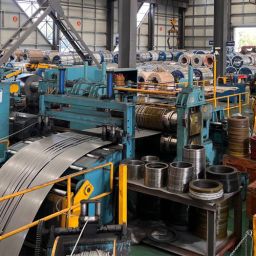
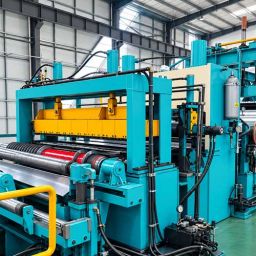
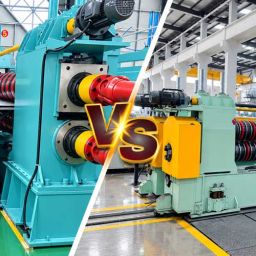
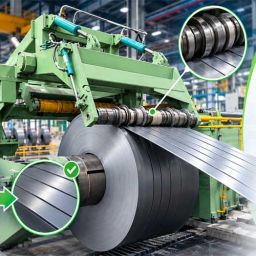
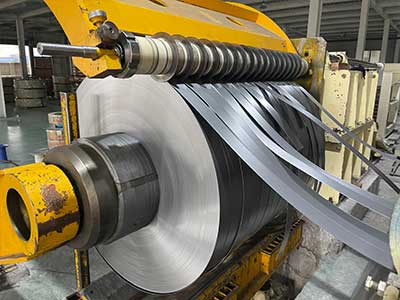
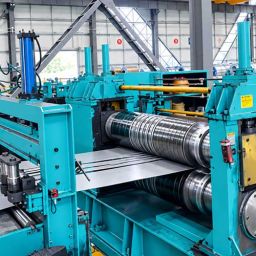
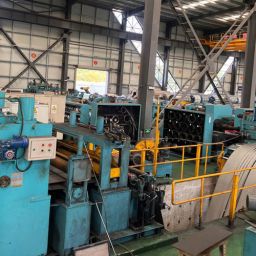
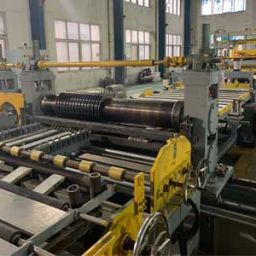
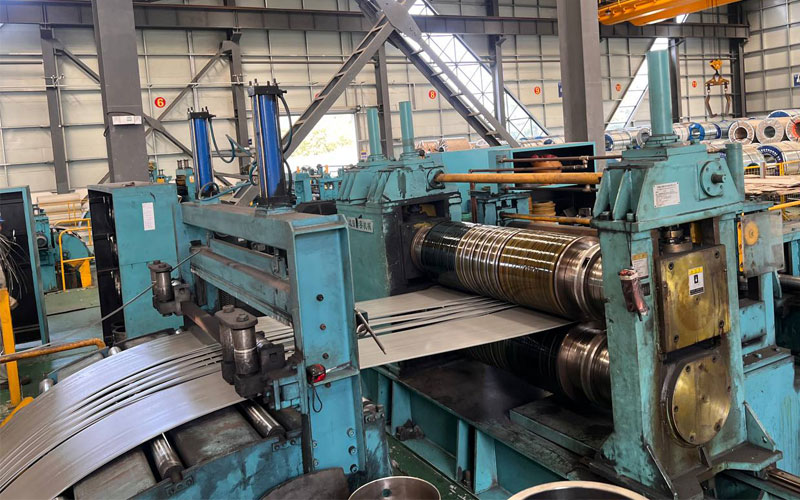
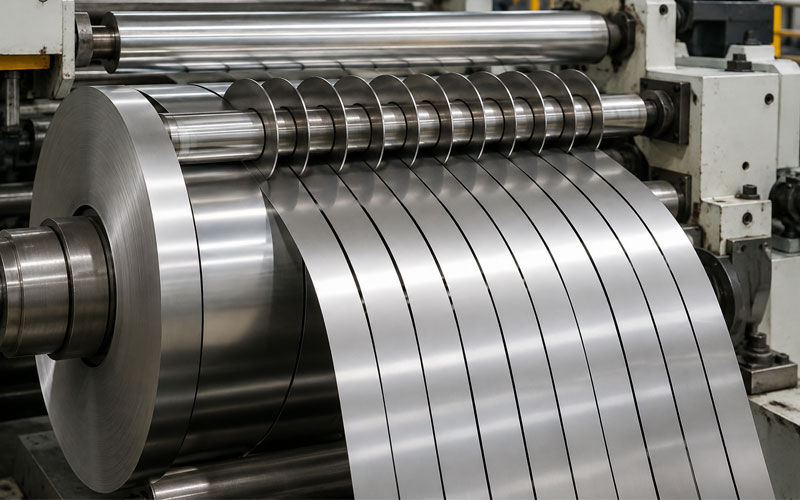
Stainless slitting is a precision coil-processing operation used to convert wide stainless steel coils into narrower strips with controlled widths and consistent edge quality. The process uses a specialized slitting line equipped with circular rotary knives that cut the material longitudinally as the coil moves continuously through the machine.
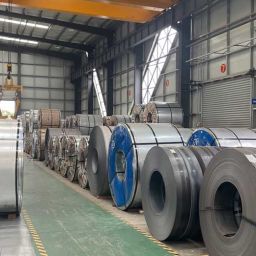
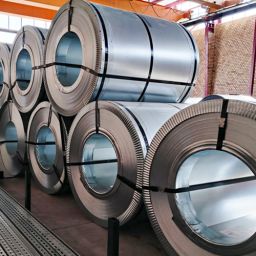
Stainless steel is widely used because of its corrosion resistance, strength, durability, and clean surface appearance. However, manufacturers often require material in specific widths rather than in its original master-coil dimensions. Stainless slitting provides an efficient solution by producing custom-width coils that can be directly used in subsequent manufacturing processes.
For applications requiring reliable dimensional control and consistent material quality, selecting an appropriately designed slitting line and an experienced processing partner is essential.
How the Stainless Slitting Process Works
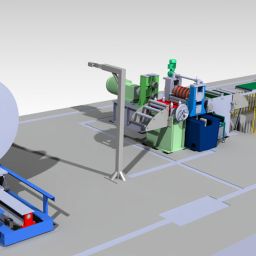
A typical stainless steel slitting operation involves several controlled stages:
1. Coil Loading
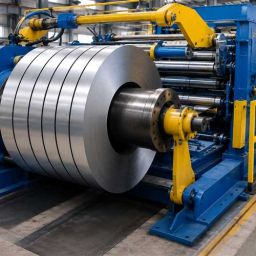
The stainless steel master coil is positioned on the slitting line using suitable coil-handling equipment. The coil is loaded onto an uncoiler, which allows the material to enter the production line at a controlled speed and tension.
2. Coil Uncoiling and Leveling
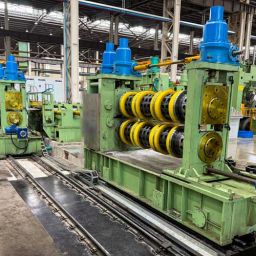
The material is gradually unwound and guided through the line. Depending on the production requirements, leveling equipment may be used to improve flatness and reduce unwanted shape variations before slitting.
3. Precision Slitting
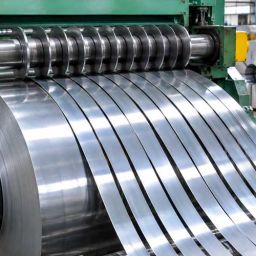
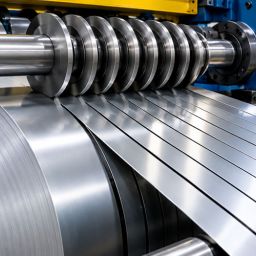
The stainless steel strip passes through a set of circular knives. These rotary knives make continuous longitudinal cuts, dividing the wide coil into multiple narrower strips.
Knife positioning is critical because the required strip width depends on the customer’s specifications. Proper tooling setup also helps maintain consistent cutting performance throughout the coil.
4. Tension Control
Accurate tension control is an important part of stainless slitting. Stable tension helps keep the strips aligned and reduces problems such as telescoping, loose winding, or uneven coil formation.
5. Recoiling
After the material has been slit, the individual strips are collected and rewound into smaller coils. The finished coils can then be packaged and prepared for transportation or further processing.
Why Precision Matters in Stainless Slitting
Stainless steel is frequently used in applications where dimensional accuracy and surface quality are important. Small variations in strip width, edge condition, or coil winding can affect downstream manufacturing operations.
Precision stainless slitting focuses on maintaining:
- Consistent strip width
- Accurate knife positioning
- Stable strip tension
- Clean and controlled slit edges
- Uniform coil winding
- Reliable coil dimensions
- Protection of the stainless steel surface
Maintaining these characteristics helps manufacturers reduce material waste and improve the efficiency of subsequent forming, stamping, welding, fabrication, and assembly processes.
Stainless Steel Grades Suitable for Slitting
Different stainless steel grades can be processed according to their material characteristics and customer requirements. Common stainless steel families include 304, 316, 321, 409, 430, and other austenitic, ferritic, and specialty grades.
The appropriate slitting setup depends on factors such as:
- Stainless steel grade
- Material thickness
- Coil width
- Required strip width
- Mechanical properties
- Surface finish
- Edge requirements
- Production volume
Because different grades and thicknesses can behave differently during cutting, slitting parameters and tooling should be selected according to the material being processed.
Applications of Stainless Steel Slit Coils
Stainless steel slit coils are used across a wide range of industries. Typical applications include:
Automotive Manufacturing
Slit stainless steel can be used in components and manufacturing processes requiring corrosion resistance, strength, and controlled dimensions.
Construction and Architectural Products
Stainless strips are used in architectural components, metal profiles, trim, roofing-related products, and other fabricated materials.
Appliance Manufacturing
Stainless steel strip is commonly processed into components for appliances where durability, corrosion resistance, and appearance are important.
Tube and Pipe Production
Narrow stainless steel strips can serve as feedstock for tube and pipe manufacturing, where consistent strip width and edge quality are particularly important.
Industrial Equipment
Manufacturers of industrial machinery and equipment may require custom-width stainless steel strips for fabricated and formed components.
Food and Chemical Processing
Stainless steel’s corrosion resistance makes it suitable for many components and equipment used in demanding processing environments.
Factors to Consider When Choosing a Stainless Slitting Service
Selecting a stainless steel slitting provider requires more than comparing processing prices. The supplier’s equipment, quality-control procedures, technical capabilities, and ability to meet specific coil requirements should all be considered.
Material Thickness and Width Capability
Confirm that the slitting line can accommodate the required stainless steel thickness, master-coil width, and finished strip dimensions.
Slit Width Accuracy
The supplier should have appropriate tooling and measurement procedures to produce strips within the required dimensional tolerances.
Edge Quality
The condition of the slit edge can affect downstream forming and fabrication. The slitting setup should therefore be selected according to the customer’s edge-quality requirements.
Surface Protection
Stainless steel surfaces can be susceptible to scratches and handling marks. Proper material handling, equipment condition, and packaging are important for maintaining the required surface quality.
Coil Winding Quality
Finished slit coils should be wound consistently and securely. Proper tension and recoiling control help prevent problems during transportation and subsequent processing.
Quality Control in Stainless Slitting
Quality control should be integrated throughout the slitting process rather than performed only after production.
Important inspection points may include:
- Material grade verification
- Thickness measurement
- Strip-width measurement
- Edge inspection
- Surface inspection
- Coil weight verification
- Inner and outer diameter checks
- Coil winding condition
- Packaging inspection
For demanding applications, production records and inspection documentation can also provide traceability from the incoming master coil through the finished slit coils.
Stainless Slitting and Material Efficiency
Efficient slitting can contribute significantly to material utilization. By producing strips according to the actual requirements of a downstream manufacturing process, manufacturers can reduce unnecessary trimming and improve the use of the original master coil.
A well-planned slitting pattern can also help minimize scrap. This makes accurate order planning particularly important when multiple strip widths are required from the same master coil.
Advantages of Professional Stainless Slitting
Professional stainless slitting provides several potential advantages for manufacturers:
- Custom dimensions — Stainless coils can be processed into widths suited to specific production requirements.
- Consistent quality — Controlled slitting parameters support repeatable strip dimensions and edge conditions.
- Improved production efficiency — Ready-to-use slit coils can simplify downstream manufacturing.
- Reduced material waste — Optimized slitting patterns can improve material utilization.
- Better inventory management — Manufacturers can order material in dimensions closer to their actual production needs.
- Flexible production — Multiple strip widths can be produced from suitable master coils.
Precision Slitting
For manufacturers that require precision stainless steel strip, the slitting process should be matched carefully to the material grade, thickness, width, tolerance, edge condition, and final application.
Lotosslitting focuses on the technical requirements associated with coil slitting and aims to provide stainless steel processing solutions suited to different industrial applications. From material preparation and precision cutting to recoiling and final handling, each stage of the process contributes to the quality of the finished slit coil.
When requesting stainless slitting services, customers should provide detailed specifications including the stainless steel grade, thickness, master-coil dimensions, required slit widths, quantity, tolerances, and packaging requirements. Clear specifications allow the slitting process to be planned accurately from the beginning.
Conclusion
Stainless slitting is a critical coil-processing technology for manufacturers that require stainless steel strips with controlled dimensions, reliable edge quality, and consistent coil formation. The quality of the finished product depends on suitable slitting equipment, accurate tooling, stable tension control, careful material handling, and effective inspection procedures.
Whether the material is destined for tube production, automotive components, appliances, construction products, industrial equipment, or other fabricated applications, precision slitting can transform wide stainless steel master coils into production-ready strips.
For reliable stainless steel coil processing, Lotosslitting can help manufacturers identify a slitting solution based on their specific material and dimensional requirements.