Coil Slitting Services
In today’s competitive manufacturing landscape, precision and efficiency are not optional—they are essential. Stainless steel slitting services play a critical role in transforming wide steel coils into narrower, application-specific widths that meet exact industry specifications. At Lotosslitting, we specialize in delivering high-quality stainless steel slitting solutions that empower manufacturers across multiple industries to achieve consistent results, reduce material waste, and streamline their production processes.
What Is Stainless Steel Slitting?
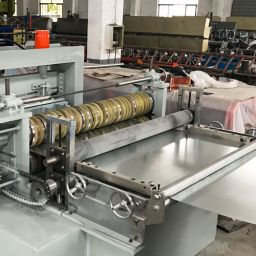
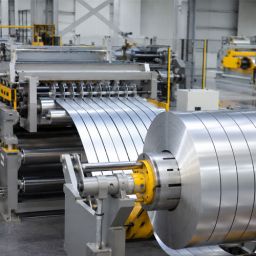
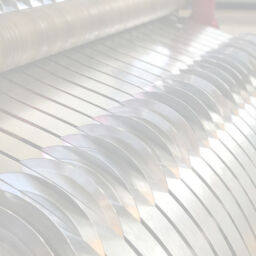
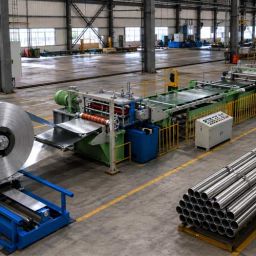
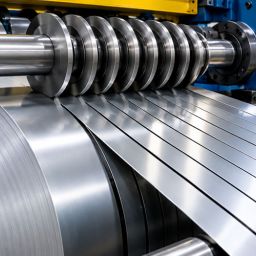
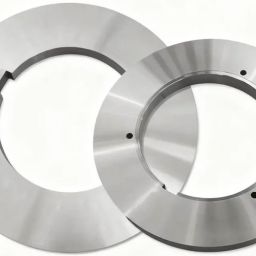
Stainless steel slitting is a metal-cutting process in which a wide coil of stainless steel is fed through a slitting line and cut into multiple narrower strips of precise width. This process uses circular blades, known as slitter knives, arranged along a rotating shaft to slice through the material with exceptional accuracy.
The resulting slit coils are wound onto individual mandrels, producing uniform strips ready for further fabrication, stamping, forming, or welding. Because stainless steel is prized for its corrosion resistance, strength, and aesthetic appeal, precision slitting is essential to preserve these qualities throughout the cutting process.
Why Precision Matters in Stainless Steel Slitting
Stainless steel is a high-value material used in demanding applications, from food-grade equipment to aerospace components. Any inconsistency in width, edge quality, or camber can compromise downstream manufacturing processes and lead to costly production delays. Precision slitting services address these challenges by ensuring:
- Accurate Width Tolerances – Strips are cut to exact specifications, minimizing variation across the entire coil.
- Clean, Burr-Free Edges – Proper edge condition reduces the risk of defects in subsequent forming or welding operations.
- Consistent Coil Tension – Uniform winding prevents telescoping, scratching, and handling damage.
- Reduced Material Waste – Optimized slitting patterns maximize yield from each coil, lowering overall material costs.
Stainless Steel Slitting Process
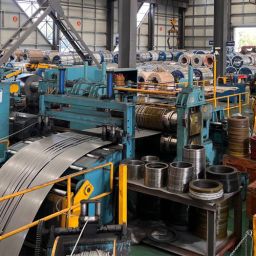
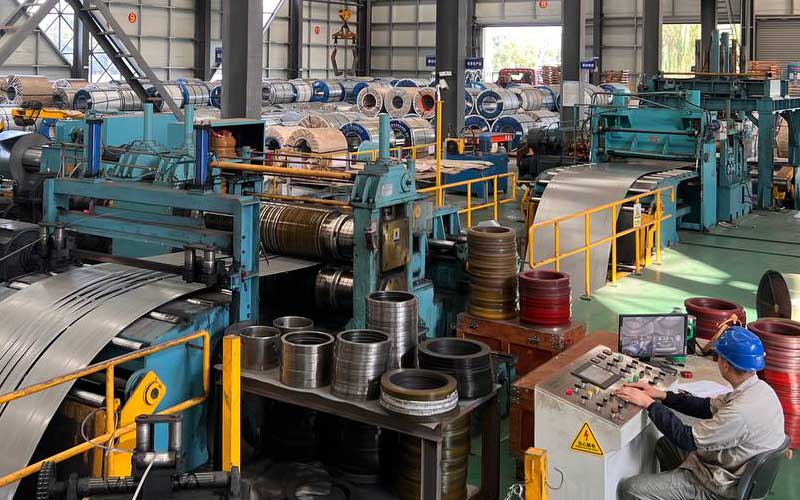
A typical slitting operation at Lotosslitting involves several carefully controlled stages:
- Coil Inspection – Incoming stainless steel coils are inspected for surface quality, dimensional accuracy, and material certification.
- Setup and Tooling – Slitter knives are selected and positioned according to the required strip widths and material thickness.
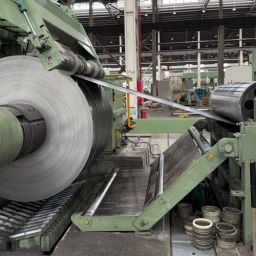
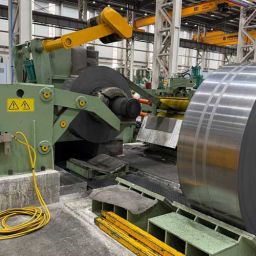
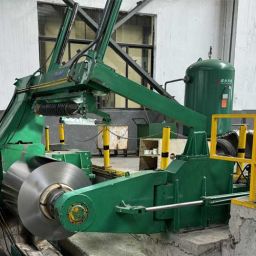
- Slitting – The coil is uncoiled and passed through the slitting line, where rotating blades divide it into precise strips.
- Recoiling – Slit strips are rewound onto separate mandrels, maintaining tight tension control to prevent deformation.
- Quality Inspection – Finished coils undergo dimensional checks, edge inspection, and surface quality review before packaging.
- Packaging and Delivery – Coils are packaged to industry standards to protect surface finish during transport and storage.
Applications of Slit Stainless Steel
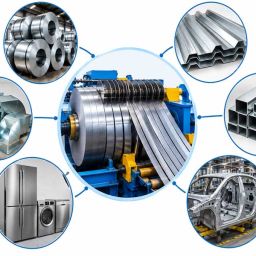
Slit stainless steel coils serve a broad range of industries due to the material’s versatility and durability. Common applications include:
- Automotive Manufacturing – Exhaust systems, trim components, and structural parts.
- Food and Beverage Processing – Equipment requiring corrosion resistance and hygienic surfaces.
- Medical Device Manufacturing – Precision components demanding tight tolerances and material purity.
- Construction and Architecture – Cladding, railings, and decorative fixtures.
- Appliance Manufacturing – Housings and internal components for household and commercial appliances.
- Industrial Equipment – Machinery parts that require strength combined with resistance to wear and corrosion.
Benefits of Partnering with Lotos Slitting
Choosing the right slitting partner directly affects product quality, lead times, and overall production efficiency. Lotos Slitting offers several advantages that distinguish our services from generic providers:
Advanced Equipment and Technology
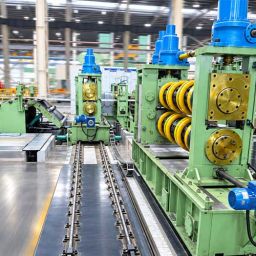
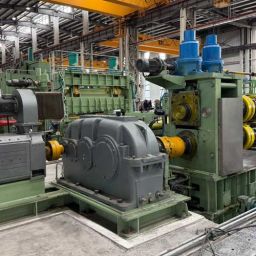
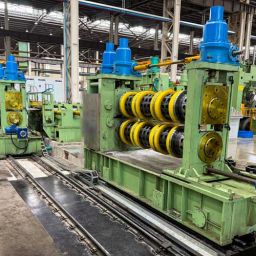
Our slitting lines are equipped with modern, precision-calibrated machinery capable of processing a wide range of stainless steel grades and thicknesses. This technological investment allows us to maintain tight tolerances even on high-volume orders.
Extensive Grade and Gauge Capability
Lotosslitting works with a variety of stainless steel grades, including 304, 316, and 430, among others, in gauges suited to diverse applications. This flexibility allows customers to source multiple product specifications from a single, reliable supplier.
Rigorous Quality Control
Every coil processed at our facility undergoes strict quality assurance procedures, including dimensional verification and surface inspection, ensuring that finished products consistently meet or exceed customer expectations.
Customized Solutions
We understand that no two projects are identical. Our team works closely with clients to determine optimal slitting widths, tolerances, and packaging requirements tailored to specific manufacturing needs.
Reliable Turnaround Times
Efficient scheduling and streamlined operations allow Lotos Slitting to meet demanding project timelines without compromising quality, helping customers maintain their own production schedules.
Choosing the Right Stainless Steel Slitting Partner
When evaluating a stainless steel slitting provider, manufacturers should consider several key factors:
- Experience and Technical Expertise – A provider with a proven track record understands the nuances of different stainless steel grades and their behavior during slitting.
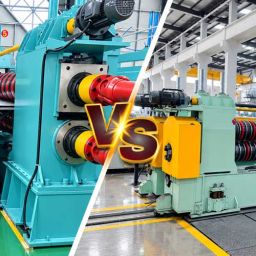
- Equipment Capabilities – Modern, well-maintained slitting lines produce more consistent results than outdated machinery.
- Quality Assurance Practices – Comprehensive inspection protocols reduce the risk of defects reaching downstream production.
- Customer Service and Communication – Responsive support ensures that specifications, timelines, and any adjustments are handled efficiently.
Lotos Slitting meets each of these criteria, making us a trusted partner for manufacturers who require dependable, high-quality stainless steel slitting services.
Frequently Asked Questions
What stainless steel grades can be slit? Common grades include 304, 304L, 316, 316L, 430, and other austenitic and ferritic stainless steels, depending on customer requirements and material availability.
What width tolerances can be achieved? Tolerances vary based on material thickness and grade, but precision slitting services generally achieve tight, industry-compliant tolerances suitable for demanding applications.
Can slitting services accommodate custom coil widths? Yes. Slitting lines can be configured to produce custom widths based on project specifications, allowing for tailored solutions across various industries.
How is slit coil quality verified? Quality is verified through dimensional measurement, edge condition inspection, and surface quality assessment prior to packaging and shipment.
Conclusion
Stainless steel slitting is a foundational process that directly impacts the quality, efficiency, and cost-effectiveness of downstream manufacturing. By partnering with an experienced provider like Lotosslitting, businesses gain access to precision-engineered slitting services backed by advanced equipment, rigorous quality control, and a commitment to customer satisfaction.
Whether your operation requires standard stainless steel grades or specialized gauge and width combinations, Lotosslitting is equipped to deliver consistent, reliable results tailored to your manufacturing needs. Contact us today to discuss your stainless steel slitting requirements and discover how our services can support your production goals.
FAQ:
Slitting lines can typically handle a wide range of gauges and coil widths, with custom widths available based on specific manufacturing needs.
Each coil undergoes dimensional verification, edge condition inspection, and surface quality assessment before packaging and shipment.
Contact Lotos Slitting directly with your material specifications, including grade, gauge, and required widths, to receive a tailored quote for your project.
Yes. Slitting lines can be configured for custom widths, tolerances, and packaging specifications tailored to individual customer requirements.