A Complete Guide to Metal Slitting Machines
Metal slitting equipment plays a critical role in modern metal processing industries. Manufacturers rely on precision slitting systems to convert wide metal coils into narrower strips that meet exact production requirements. From steel service centers to automotive manufacturers and construction material suppliers, metal slitting machines provide an efficient and cost effective solution for coil processing.
As demand for high quality slit coils continues to grow, investing in advanced metal slitting equipment has become essential for companies seeking improved productivity, accuracy, and material utilization.
What Is Metal Slitting Equipment?
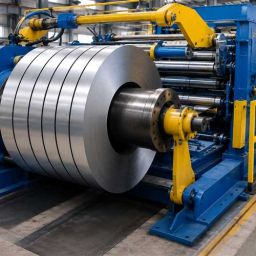
Metal slitting equipment is a specialized production system designed to cut wide metal coils into multiple narrower coils of specific widths. The process is performed continuously, allowing manufacturers to achieve high production speeds while maintaining excellent dimensional accuracy.
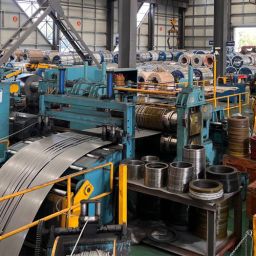
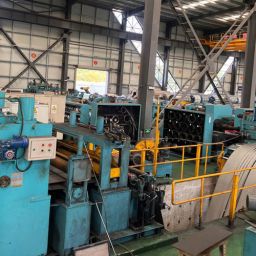
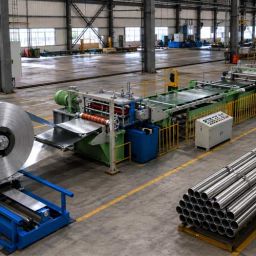
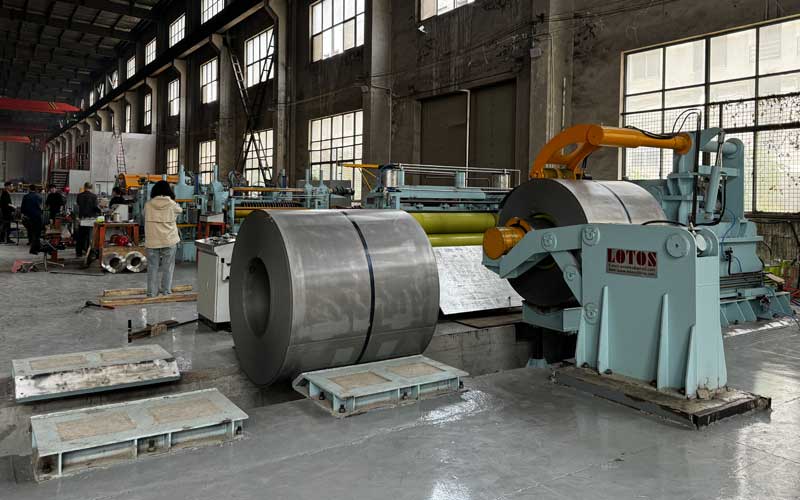
A complete metal slitting line typically includes:
- Coil loading system
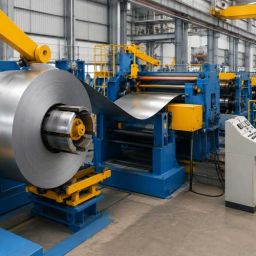
- Hydraulic uncoiler
- Coil head opener
- Pinch feeder and leveler
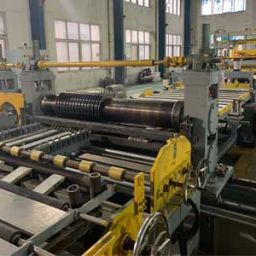
- Slitting machine
- Scrap winding system
- Tension unit
- Recoiler
- Coil unloading equipment
These components work together to ensure smooth material handling and consistent slitting performance.
What Is a Slitter?
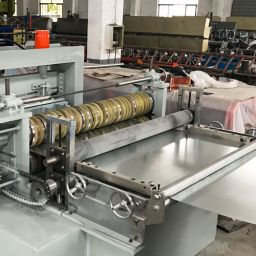
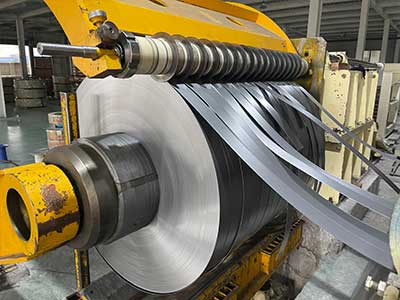
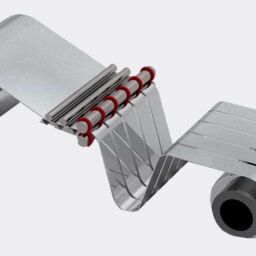
A slitter is the core machine within a metal slitting line. It consists of a rotating shaft assembly equipped with circular knives that cut metal strips longitudinally as the material passes through the machine.
The slitter determines:
- Slitting accuracy
- Edge quality
- Production speed
- Strip width consistency
- Overall line efficiency
Modern slitters utilize precision-ground knives and spacers to achieve tight dimensional tolerances while minimizing burr formation and material waste.
How Does a Metal Slitting Machine Work?
The metal slitting process follows several key stages:
1. Coil Loading
A master coil is placed onto the uncoiler using a coil car or crane system.
2. Coil Feeding
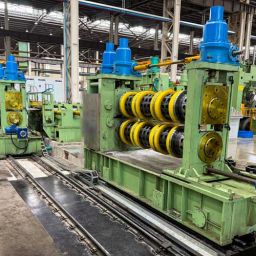
The material is fed through the pinch rolls and leveling section to remove coil set and improve flatness.
3. Slitting Operation
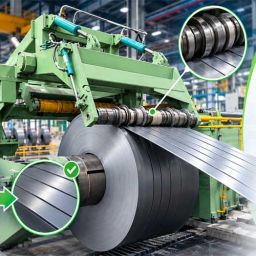
The metal passes through the slitter head, where rotary knives divide the coil into multiple strips according to the required widths.
4. Scrap Collection
Edge trim material is collected and wound onto scrap reels for recycling.
5. Tension Control
A tension unit maintains strip stability and prevents defects during recoiling.
6. Recoiling
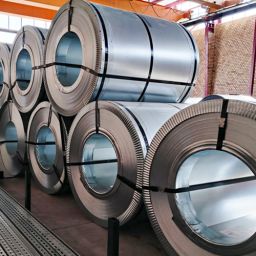
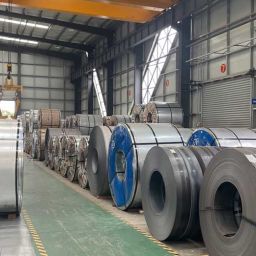
The slit strips are rewound into finished coils ready for storage, transportation, or further manufacturing processes.
Types of Metal Slitting Machines
Steel Coil Slitting Machines
Designed for carbon steel, galvanized steel, and high-strength steel processing. These machines are commonly used in construction, automotive, and appliance industries.
Stainless Steel Slitting Machines
Built with enhanced precision and surface protection systems to process stainless steel coils without damaging the material finish.
Aluminum Slitting Machines
Optimized for lightweight materials requiring excellent edge quality and tension control.
Heavy Gauge Slitting Lines
Suitable for processing thick materials with high-strength slitter heads and powerful recoiling systems.
High-Speed Slitting Lines
Engineered for maximum productivity with operating speeds that can exceed 200 meters per minute depending on material specifications.
Benefits of Metal Slitting Equipment
Increased Productivity
Automated slitting lines process large coil volumes quickly and efficiently.
Improved Accuracy
Advanced slitting technology ensures precise strip widths and consistent product quality.
Reduced Material Waste
Optimized knife configurations minimize scrap generation and improve material utilization.
Flexible Production
Manufacturers can process various materials, thicknesses, and coil widths using a single slitting line.
Lower Operating Costs
Efficient automation reduces labor requirements and enhances production efficiency.
Applications of Sheet Metal Slitting Machines
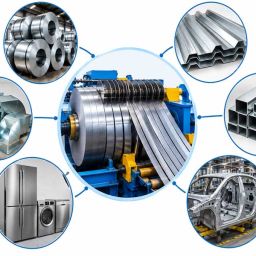
Sheet metal slitting machines serve numerous industries, including:
- Construction materials
- Roofing and cladding production
- Roll forming manufacturing
- Automotive components
- Electrical cabinets
- HVAC systems
- Home appliances
- Steel service centers
- Solar mounting structures
- Tube and pipe manufacturing
The slit coils produced are often used as raw material for roll forming lines, tube mills, stamping operations, and fabrication processes.
Key Factors When Selecting Metal Slitting Equipment
When choosing a metal slitting machine, manufacturers should evaluate:
Material Type
Consider whether the machine will process carbon steel, stainless steel, aluminum, copper, or other metals.
Material Thickness
Equipment specifications should match current and future production requirements.
Coil Width
The maximum coil width directly affects machine capacity and application range.
Production Speed
Higher line speeds improve output and operational efficiency.
Slitting Accuracy
Precision knife systems ensure consistent strip widths and superior edge quality.
Automation Level
Modern lines feature PLC controls, automatic knife positioning, and intelligent monitoring systems for enhanced productivity.
Coil Slitting Systems
LOTOS Slitting specializes in designing and manufacturing advanced metal slitting equipment for global customers. Our solutions are engineered to provide:
- High slitting precision
- Reliable long-term operation
- Fast production speeds
- Customized line configurations
- Advanced automation systems
- Professional technical support
Whether processing carbon steel, stainless steel, aluminum, or coated metals, LOTOS Slitting delivers efficient and dependable metal slitting machines tailored to customer requirements.
Conclusion
Metal slitting equipment is an essential investment for manufacturers seeking efficient coil processing and superior product quality. Modern metal slitting machines offer precise cutting, high productivity, and flexible operation across a wide range of materials and industries.