What is a Cut to Length Machine
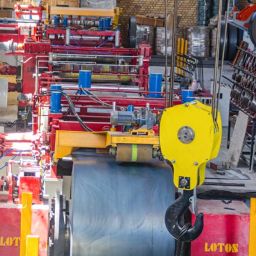
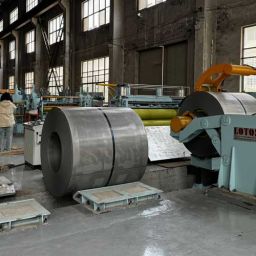
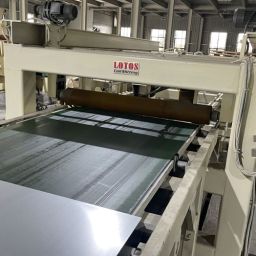
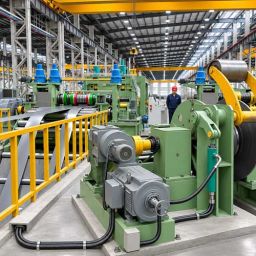
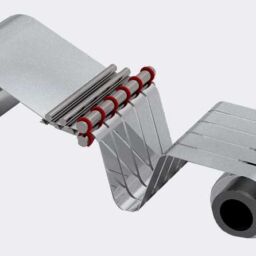
A high precision cut to length line is an integrated metal processing system that uncoils, flattens, measures, and shears coiled strip into flat sheets with tightly controlled length, width, flatness, and squareness. In industries where every millimeter of tolerance affects material yield, assembly quality, and downstream productivity, high precision cut to length equipment has become an essential investment.
What Is a High Precision Cut to Length Line?
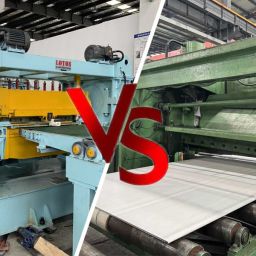
A cut to length line converts master coils of steel, stainless steel, aluminum, galvanized steel, copper, or pre painted material into flat blanks of defined dimensions. A standard line performs this task at acceptable accuracy for general fabrication. A high precision line, however, is engineered to hold substantially tighter tolerances on length, diagonal difference, edge quality, and surface flatness, while maintaining stable output at high line speeds.
Typical performance benchmarks for a high precision cut to length line include:
- Length tolerance: within ±0.1 mm to ±0.3 mm, depending on material, thickness, and line speed
- Diagonal tolerance: controlled to ensure sheet squareness suitable for automated downstream processes
- Flatness: residual coil set, edge wave, and center buckle minimized through precision leveling
- Surface integrity: no scratches, indentation, or marking on sensitive finishes
Actual tolerances vary according to material properties and equipment configuration and should always be confirmed through technical specifications and acceptance testing.
Operating Principle
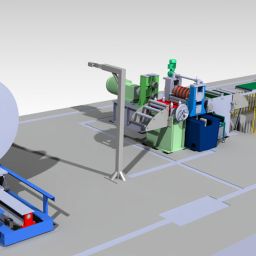
A high precision cut to length line performs its operations in a continuous, sequential process:
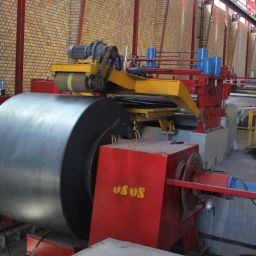
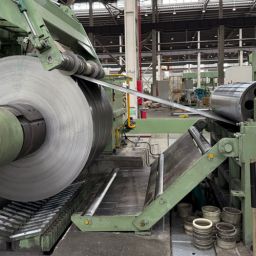
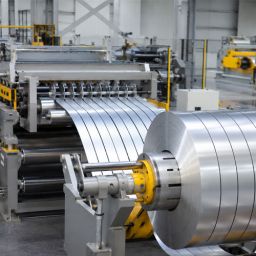
- Coil loading and uncoiling. The coil is placed on a coil car and mounted on a decoiler mandrel, which pays out the strip at a controlled rate.
- Threading and straightening. The leading edge is guided through a pinch and straightening unit toward the leveler.
- Precision leveling. Multi-roll leveling removes coil set, crossbow, and residual stress to produce flat material.
- Length measurement. An encoder-based measuring system continuously tracks the strip as it advances.
- Shearing. A flying or stop-and-go shear cuts the material at the programmed length.
- Stacking. Finished sheets are conveyed and stacked neatly on pallets, ready for packaging or further processing.
Each stage influences the final accuracy, and a weakness in any single unit can compromise the entire process.
Key Components That Determine Precision
Decoiler
A stable, well controlled decoiler provides consistent strip feed and prevents sudden tension variations. Hydraulic expansion, coil hold down arms, and variable frequency drive control contribute to smooth payoff, particularly for thin or surface sensitive materials.
Precision Leveler
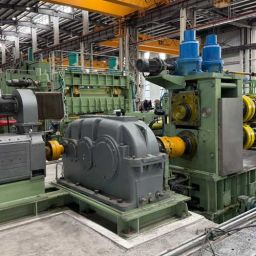
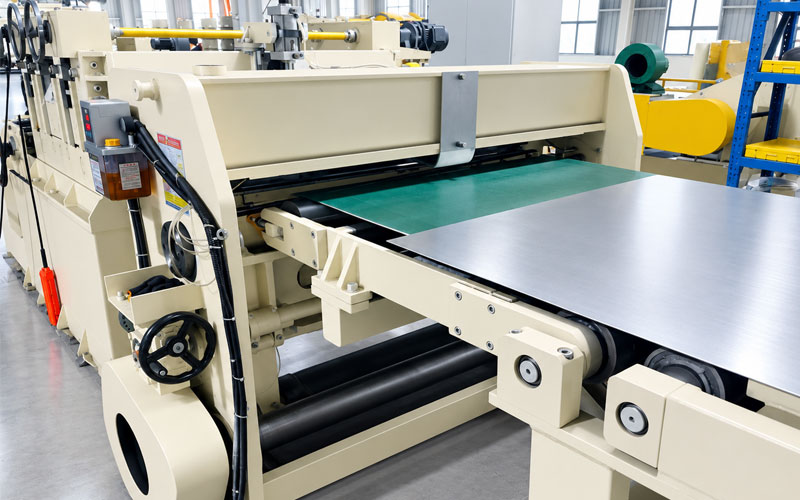
The leveler is the central element of any high precision cut to length line. Properly selected work rolls, backup rolls, and roll-gap adjustment mechanisms eliminate internal stresses and shape defects. Key considerations include:
- Roll diameter and pitch: smaller rolls provide greater flexing effect for thin gauges
- Number of rolls: a higher roll count generally produces superior flatness
- Backup roll support: prevents roll deflection and ensures uniform pressure across the strip width
- Motorized or hydraulic gap adjustment: enables repeatable settings for different materials
Servo Feeder and Measuring System
Length accuracy depends largely on the measuring and feeding mechanism. A high resolution encoder, a measuring roll with low slippage, and a servo-driven feed system ensure that the strip is positioned correctly before every cut. Measuring rolls are frequently coated or surface-treated to maintain grip while protecting the strip surface.
Shear
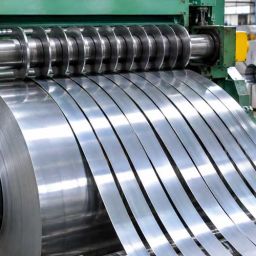
Shearing quality affects both edge condition and length consistency. Common configurations include:
- Hydraulic stop-and-go shear: suitable for thick plate and heavy gauge applications
- Flying shear: cuts the strip while it is moving, supporting higher productivity at excellent accuracy
- Rotary or crank-driven shear: designed for high-speed processing of light and medium gauges
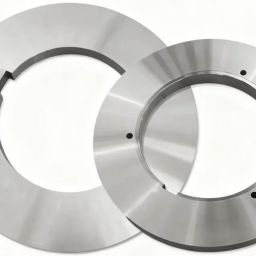
Blade clearance, blade material, and rigid frame construction all contribute to burr-free, square cuts.
Control System
A modern PLC with an intuitive human-machine interface coordinates every function of the line. Programmable recipes, automatic length compensation, production counting, and fault diagnostics improve repeatability and reduce operator dependency.
Stacker
A precision stacker with side guides, magnetic or pneumatic aligners, and controlled drop mechanisms prevents sheet damage and maintains clean, aligned stacks, which is especially important for coated, polished, or pre-painted materials.
Advantages of a High Precision Cut to Length Line
Investing in a high precision cut to length line offers measurable operational and commercial benefits:
- Improved material utilization. Accurate cutting minimizes trim loss and scrap.
- Consistent product quality. Uniform dimensions and flatness support reliable downstream processes such as stamping, laser cutting, bending, and welding.
- Higher productivity. Automated operation and stable high-speed performance increase throughput.
- Reduced rework and rejection. Tighter tolerances lower the number of non-conforming sheets.
- Surface protection. Careful material handling preserves finish quality on sensitive materials.
- Lower labor dependency. Automated setup and control reduce the influence of operator skill on results.
Materials and Applications
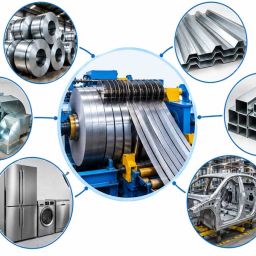
A high precision cut to length line is suitable for a wide range of materials, including:
- Carbon steel (hot-rolled and cold-rolled)
- Stainless steel
- Galvanized and galvalume steel
- Pre painted and coated steel
- Aluminum and aluminum alloys
- Copper and brass
- Silicon (electrical) steel
Principal application sectors include:
- Automotive manufacturing: body panels, structural components, and precision blanks
- Home appliances: panels, housings, and internal components
- Construction and building materials: roofing, cladding, and ceiling systems
- Electrical equipment: transformer cores, switchgear enclosures, and cabinets
- Elevators and HVAC: ducting, panels, and structural parts
- Steel service centers: supply of flat sheets to diverse customers
How to Select a High Precision Cut to Length Line
When evaluating equipment, buyers should consider the following criteria:
- Material range. Define the minimum and maximum thickness, width, coil weight, and yield strength to be processed.
- Required tolerances. Specify length, diagonal, and flatness requirements according to end-product standards.
- Production capacity. Determine target line speed, sheet length range, and annual output.
- Surface requirements. Select appropriate roll coatings, handling systems, and protective features for finish-sensitive materials.
- Automation level. Consider recipe management, automatic stacking, coil handling, and integration with production planning systems.
- Manufacturer capability. Assess engineering experience, quality control practices, spare parts availability, and after sales support.
- Installation and commissioning. Ensure that foundation drawings, training, and on site support are included.
Maintenance Recommendations
A structured maintenance program protects both accuracy and equipment lifespan:
- Inspect and replace leveler rolls and bearings according to wear patterns
- Check encoder and measuring roll condition regularly
- Maintain correct shear blade clearance and sharpen or replace blades on schedule
- Monitor hydraulic and lubrication systems for leaks and contamination
- Calibrate length measurement periodically using reference standards
- Keep the control system software and parameters documented and backed up
Conclusion
A high precision cut to length line is a strategic asset for manufacturers and service centers that require dimensional accuracy, superior flatness, and efficient material utilization. Its performance depends on the coordinated quality of the decoiler, leveler, feeding and measuring system, shear, control system, and stacker, as well as on proper installation and maintenance.
LotosSlitting offers cut to length line solutions engineered to meet demanding precision requirements across a wide range of materials and applications. To discuss your production needs and receive a tailored equipment proposal, please contact our technical team.
FAQ:
Automotive, home appliance, construction, electrical equipment, HVAC, elevator, and steel service center industries rely on them for accurate flat sheets.
Regular calibration of the measuring system, timely blade and roll maintenance, and a stable foundation will preserve long-term precision.
Key factors include material range, required tolerances, production capacity, surface requirements, automation level, and manufacturer support.
Yes, variations in coil thickness, hardness, and shape directly influence leveling and feeding performance.
Yes, LotosSlitting engineers cut to length lines according to the customer’s material, thickness, width, tolerance, and capacity requirements.