What Is Steel Coil Processing?
Steel coil slitting is a fundamental process in modern metal manufacturing, converting wide steel coils into precisely dimensioned strips suited to a wide array of end uses. While the process itself is straightforward in concept, its impact spans nearly every sector of industrial production. From automotive components to architectural cladding, slit steel coils serve as the raw material foundation for countless finished products.
At Lotosslitting, we work with manufacturers across diverse industries to deliver coil slitting services that meet exacting dimensional and quality standards. This article examines the primary applications of steel coil slitting and explains why precision cutting is essential to each.
Steel Coil Slitting
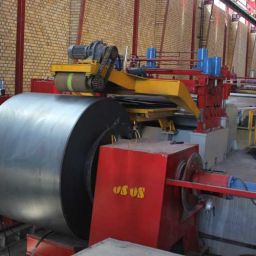
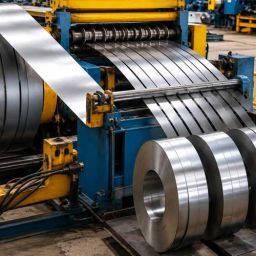
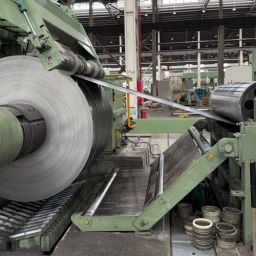
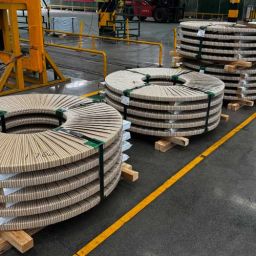
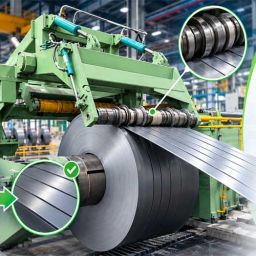
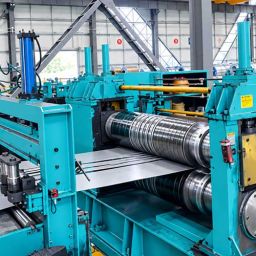
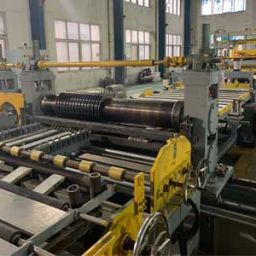
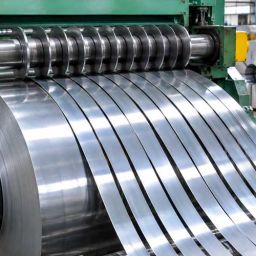
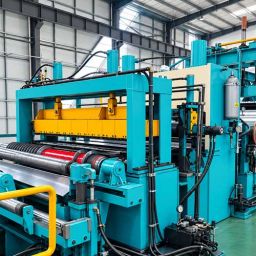
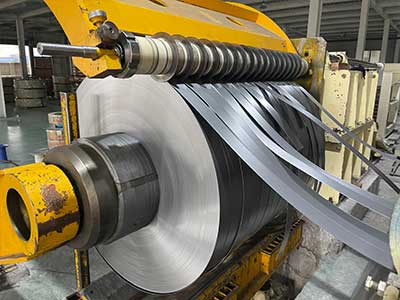
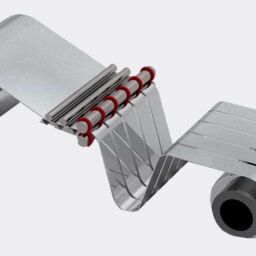
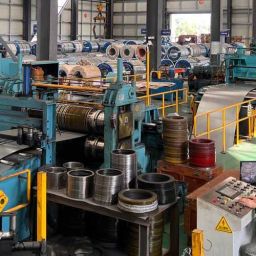
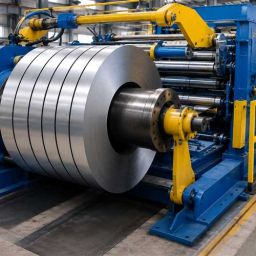
Steel coil slitting involves feeding a wide master coil through a slitting line, where rotating knives divide the material into narrower strips of specified width. These strips are then rewound into individual coils, ready for shipment or further processing such as stamping, roll forming, or welding.
The versatility of this process allows manufacturers to source steel in widths tailored precisely to their production equipment and finished product specifications, reducing waste and improving manufacturing efficiency.
Key Applications of Steel Coil Slitting
Automotive Manufacturing
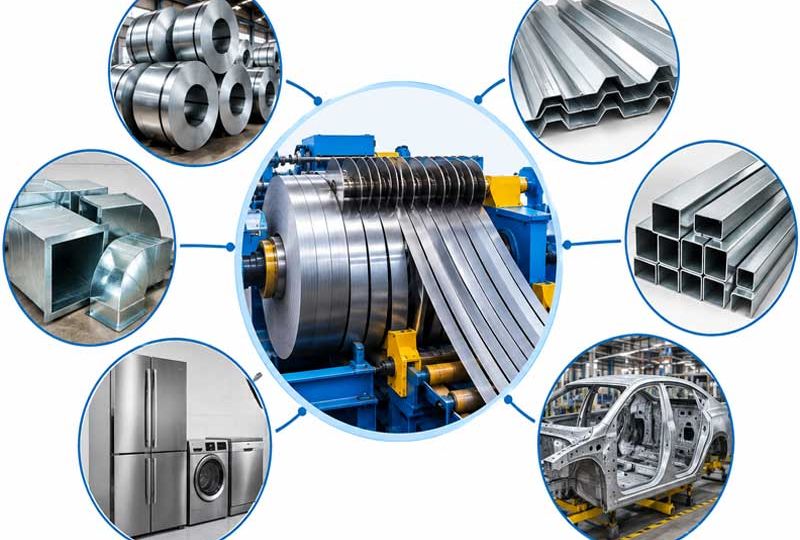
The automotive industry relies heavily on slit steel coils for components ranging from structural reinforcements to exterior trim and exhaust systems. Precision slitting ensures that strips feed consistently into stamping presses and roll-forming lines, reducing tooling wear and minimizing production downtime. Tight tolerances are particularly critical for safety-related components, where dimensional consistency directly affects structural performance.
Construction and Architectural Products
Steel coil slitting supports the construction industry through the production of roofing panels, wall cladding, structural framing, and decorative architectural elements. Slit coils are often further processed through roll forming to create profiles used in residential and commercial building systems. Consistent strip width is essential to ensure proper panel alignment and structural integrity during installation.
Appliance Manufacturing
Household and commercial appliances including refrigerators, washing machines, and ovens—rely on slit steel for housings, internal brackets, and structural components. Manufacturers in this sector require strips with clean edges and consistent gauge to support automated assembly processes and maintain a polished final product appearance.
HVAC and Ductwork Systems
Heating, ventilation, and air conditioning systems utilize slit steel coils for ductwork, housings, and structural supports. Precision slitting ensures that strips fit accurately into automated forming equipment used to fabricate ducts and fittings, supporting efficient installation and airtight seams.
Industrial Equipment and Machinery
Slit steel coils are widely used in the fabrication of machine housings, brackets, guards, and structural components for industrial equipment. The strength and formability of steel make it a preferred material for parts subjected to mechanical stress, and precise slitting ensures compatibility with automated fabrication processes.
Furniture and Fixture Manufacturing
Metal furniture, shelving units, and commercial fixtures often incorporate slit steel strips for structural frames and decorative elements. Consistent width and edge quality contribute to smooth welding and assembly, supporting both functional performance and aesthetic finish.
Packaging and Container Production
Certain packaging applications, including metal drums, containers, and strapping, depend on precisely slit steel coils. Dimensional accuracy is critical in these applications to ensure proper seam formation and structural reliability of the finished container.
Electrical Enclosures and Components
Electrical panels, enclosures, and related hardware frequently use slit steel for housings and mounting components. Precision slitting supports the tight tolerances required for proper fit within electrical assemblies, contributing to safety and regulatory compliance.
Why Precision Slitting Matters Across These Applications
Regardless of the end application, several factors make precision slitting indispensable to downstream manufacturing:
- Dimensional Consistency – Uniform strip width ensures compatibility with automated forming and stamping equipment.
- Edge Quality – Clean, burr-free edges reduce the risk of defects during welding, forming, or coating processes.
- Material Yield – Optimized slitting patterns minimize scrap and maximize usable material from each coil.
- Process Efficiency – Accurately slit coils reduce machine downtime and rework caused by material inconsistencies.
Choosing a Slitting Partner for Application-Specific Needs
Because slitting requirements vary significantly across industries, selecting a provider with broad technical capability and industry experience is essential. Manufacturers should consider:
- Range of Material Grades and Gauges – Ensuring the provider can process the specific steel types required for the application.
- Tolerance Capabilities – Confirming that width and thickness tolerances align with the precision demands of the end product.
- Quality Assurance Processes – Verifying that inspection protocols are in place to catch dimensional or surface defects before shipment.
- Industry Experience – Working with a provider familiar with the specific demands of your sector reduces the risk of specification errors.
Lotosslitting brings extensive experience across these diverse applications, offering manufacturers a dependable source for precisely slit steel coils tailored to their production requirements.
Conclusion
Steel coil slitting serves as a critical link between raw material production and finished manufactured goods, supporting industries as varied as automotive, construction, appliances, and electrical equipment. The precision and consistency of the slitting process directly influence the efficiency and quality of downstream manufacturing operations.
Lotosslitting is committed to providing reliable, application-specific slitting services that help manufacturers meet their production and quality goals. Contact us today to discuss how our steel coil slitting capabilities can support your specific industry application.
FAQ :
Slit coils are processed into roofing panels, wall cladding, structural framing, and architectural elements, where consistent width ensures proper alignment and structural integrity during installation.
Industrial machinery relies on slit steel for housings, brackets, and guards, where strength and formability make it ideal for components subjected to mechanical stress.
Yes. Lotos Slitting provides precision steel coil slitting services tailored to automotive, construction, appliance, HVAC, industrial, and other specialized manufacturing applications.
Precision slitting ensures consistent strip width for stamping and roll-forming processes, reducing tooling wear and supporting the dimensional accuracy required for structural and safety-related components.