How to Choose the Right Partner for Your Business
Selecting the right partner among steel slitting line manufacturers is one of the most important decisions a metal processing company can make. A slitting line directly impacts production efficiency, product quality, and long term operational costs, making the choice of manufacturer a strategic investment rather than a simple equipment purchase. This article outlines what a steel slitting line does, the key criteria for evaluating manufacturers, and why due diligence matters when selecting a supplier.
What Is a Steel Slitting Line?
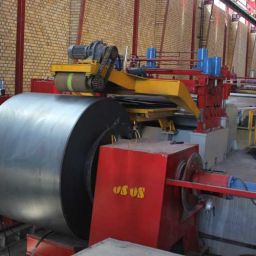
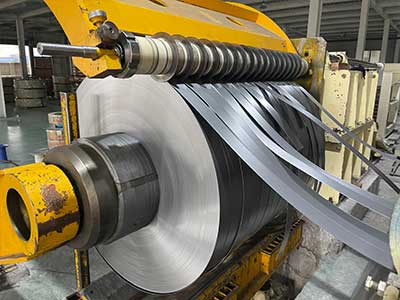
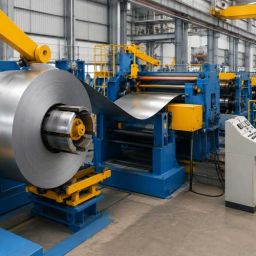
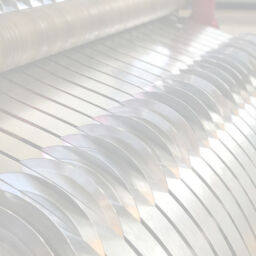
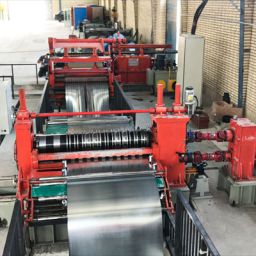
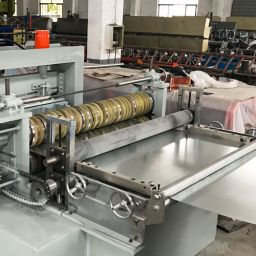
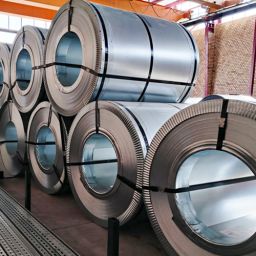
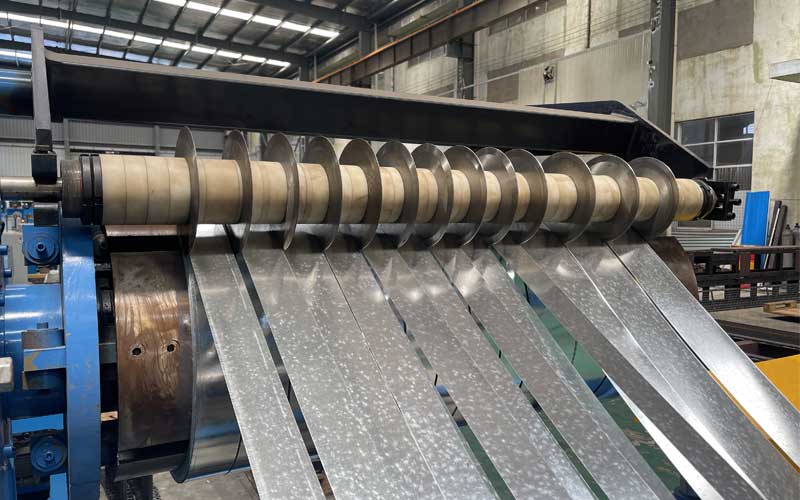
A steel slitting line is industrial equipment used to cut wide metal coils into narrower strips of precise width. This process is essential for industries such as automotive manufacturing, construction, appliance production, and metal fabrication, where consistent strip dimensions are critical for downstream processing.
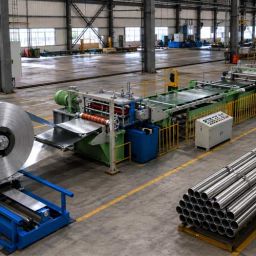
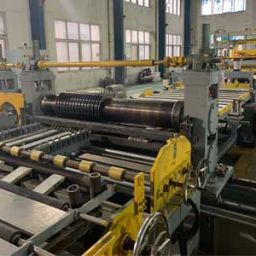
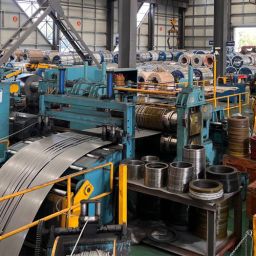
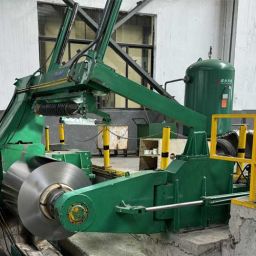
A typical steel slitting line consists of several integrated components:
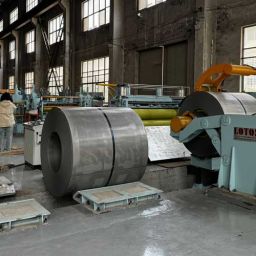
- Uncoiler – holds and feeds the master coil
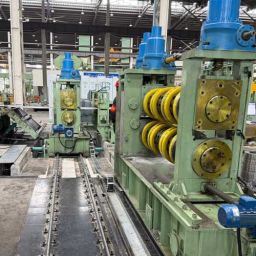
- Straightener/Leveler – removes coil set and flattens the material
- Slitting head – equipped with circular blades to cut the coil into strips
- Tension control system – maintains consistent strip tension during processing
- Recoiler – rewinds the slit strips into individual coils
The precision and reliability of these components depend heavily on the expertise and manufacturing standards of the equipment supplier.
Why the Choice of Manufacturer Matters
Not all steel slitting line manufacturers offer the same level of quality, engineering precision, or long-term support. Choosing the wrong supplier can result in frequent downtime, inconsistent strip width tolerances, higher maintenance costs, and reduced production efficiency. Conversely, partnering with a reputable manufacturer ensures durable equipment, accurate cutting performance, and dependable technical support throughout the machine’s service life.
Key Criteria for Evaluating Steel Slitting Line Manufacturers
1. Engineering Expertise and Manufacturing Standards
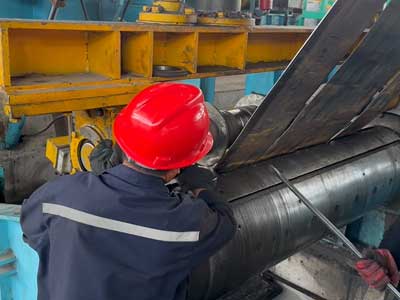
A reliable manufacturer should demonstrate strong engineering capabilities, including precision machining, quality-certified components, and rigorous testing procedures before delivery. Reviewing a manufacturer’s technical documentation and certifications can provide insight into their production standards.
2. Range of Customization Options
Different industries require different slitting capabilities variations in coil width, material thickness, strip tolerance, and line speed. A manufacturer that offers flexible, customizable configurations is better positioned to meet specific production requirements rather than forcing a one-size-fits-all solution.
3. Automation and Control Systems
Modern steel slitting lines increasingly incorporate PLC-based control systems, automated tension monitoring, and computerized width-setting mechanisms. Manufacturers offering advanced automation help reduce manual error, improve consistency, and increase overall throughput.
4. Track Record and Industry Experience
A manufacturer’s history of delivering successful projects across various industries is a strong indicator of reliability. Reviewing case studies, client references, and years of operational experience can help buyers assess a supplier’s credibility.
5. After Sales Service and Technical Support
Comprehensive after sales support, including installation assistance, operator training, spare parts availability, and responsive technical service, is essential for minimizing downtime and ensuring long term equipment performance.
6. Compliance and Safety Standards
Reputable manufacturers adhere to international safety and quality standards in the design and construction of their equipment. Verifying compliance certifications helps ensure both operator safety and consistent product quality.
7. Pricing Transparency
While cost should never be the sole deciding factor, transparent and detailed pricing clearly outlining what is included in terms of equipment, installation, training, and warranty reflects a manufacturer’s professionalism and reliability.
Why Choose Lotos Slitting as Your Manufacturing Partner
Lotosslitting is committed to delivering high-precision steel slitting lines engineered to meet the diverse needs of metal processing businesses worldwide. Our approach combines technical expertise with a customer-focused process, ensuring every solution is tailored to specific production requirements.
Partnering with Lotos Slitting offers several distinct advantages:
- Precision-engineered slitting lines built for consistent strip quality
- Flexible customization to match coil width, thickness, and speed requirements
- Advanced automation options for improved efficiency and reduced manual intervention
- Dedicated technical support, installation guidance, and operator training
- Transparent, requirement-based pricing with no hidden costs
Conclusion
Selecting among steel slitting line manufacturers requires careful evaluation of engineering quality, customization capability, automation features, and after-sales support—not just upfront price. A well-chosen manufacturing partner contributes directly to production efficiency, product consistency, and long-term profitability.
For businesses seeking a dependable and experienced steel slitting line manufacturer, requesting a detailed consultation based on actual production needs is the most effective way to identify the right long-term partner.
Looking for a trusted steel slitting line manufacturer? Contact the Lotos Slitting engineering team today to discuss your requirements and receive a tailored solution designed for your production goals.
FAQ:
Automation such as PLC-based controls, automated tension monitoring, and computerized width-setting reduces manual error, improves consistency, and increases throughput. Manufacturers with strong automation capabilities typically deliver more efficient, reliable production lines.
Reviewing case studies, client references, years of industry experience, and relevant certifications is an effective way to assess credibility. Reputable manufacturers are generally transparent about their track record and willing to provide supporting documentation.
No. While pricing transparency is important, selecting a manufacturer solely on lowest cost can lead to compromises in build quality, precision, and after-sales support. Total value—including durability and service life—should guide the decision.
Engineering expertise and manufacturing standards should be the starting point. A manufacturer with proven precision machining, quality-certified components, and rigorous testing procedures is more likely to deliver a durable, accurate slitting line that performs consistently over time.