Cut to length lines for heavy gauge
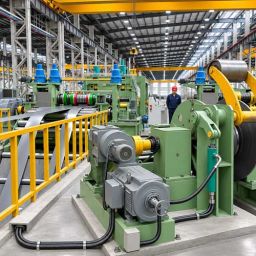
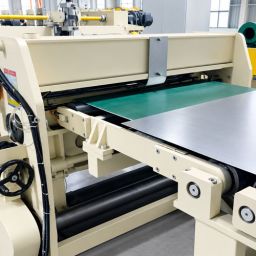
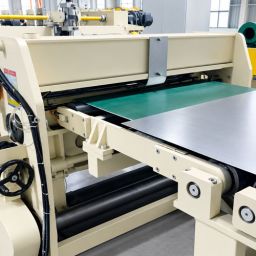
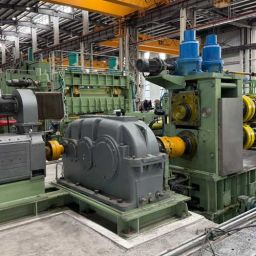
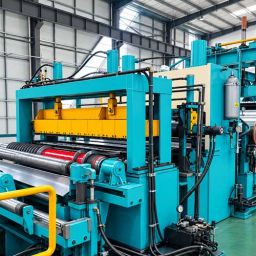
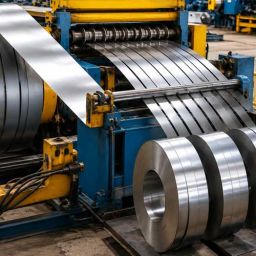
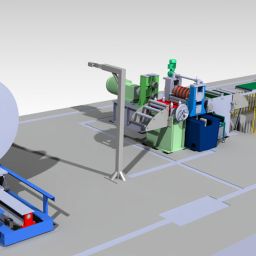
A heavy gauge CTL system (cut to length system) is an integrated processing line that uncoils, levels, measures, and shears thick metal coil into flat sheets or plates of precise length. Heavy gauge lines are engineered for materials that standard light and medium gauge equipment cannot process reliably. They typically handle thicknesses from approximately 6 mm up to 25 mm or more, with coil widths reaching 2,000 mm and beyond.
Steel service centers, structural steel fabricators, shipbuilders, pressure vessel manufacturers, and heavy equipment producers rely on these systems to convert hot rolled coil into flat, stress-relieved plate ready for cutting, welding, and forming.
What Is a Heavy Gauge CTL System?
A heavy gauge CTL system is a continuous production line designed to process high strength, thick section coil under substantial mechanical load. Compared with light gauge equipment, it incorporates:
- A reinforced coil handling and uncoiling structure
- A heavy duty leveler with large work rolls and a rigid frame
- A high capacity shear capable of cutting thick plate cleanly
- Stronger drive systems, hydraulics, and foundations
- Advanced control systems to maintain accuracy under high forces
Each component is dimensioned for the loads generated by thick, high yield strength material.
Main Components of a Heavy Gauge CTL System
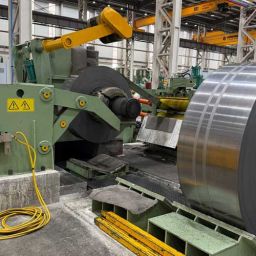
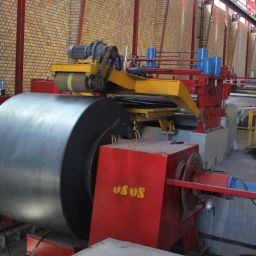
1. Coil Car and Uncoiler
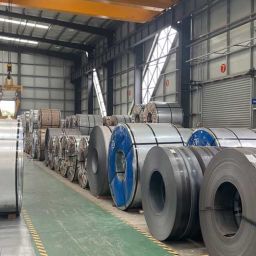
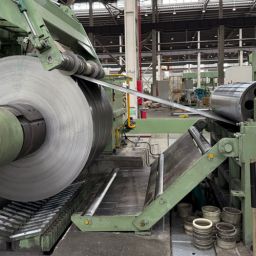
The coil car transports and positions the coil onto the uncoiler mandrel. In heavy gauge applications, coil weights commonly range from 20 to 40 tons or more, so the coil car and uncoiler must provide:
- High load capacity with a robust hydraulic expansion mandrel
- Stable coil support to prevent telescoping or collapse
- Controlled, synchronized payoff to match line speed
2. Hold Down Arm and Peeler
The hold down arm secures the coil during strip release, while the peeler guides the leading edge into the line safely. For thick material, these devices must resist the strong spring-back force of the coil tail.
3. Pinch Roll and Straightener
Before entering the leveler, the strip is fed through a pinch roll unit. A straightener may be used to flatten the leading end and reduce initial coil set, which protects the leveler and improves threading efficiency.
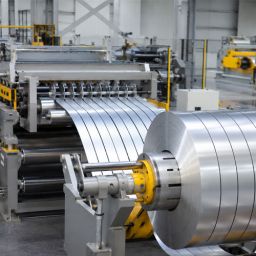
4. Heavy Duty Precision Leveler
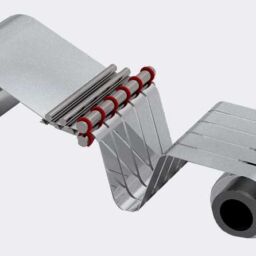
The leveler is the central component of a heavy gauge CTL system. It removes coil set, crossbow, edge wave, and residual stress through repeated bending of the plate between staggered work rolls. Important characteristics include:
- Work roll diameter and pitch: Larger rolls provide the stiffness needed for thick, high-strength plate.
- Backup roll support: Multiple backup roll rows prevent work roll deflection and ensure uniform flatness across the full width.
- Adjustable entry and exit settings: Precise penetration control accommodates different thicknesses and yield strengths.
- Rigid frame construction: A heavy welded or cast frame minimizes deformation under high leveling forces.
The quality of the leveler determines the final flatness of the plate, which directly influences downstream cutting and fabrication quality.
5. Measuring and Feeding Device
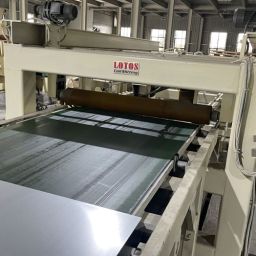
An accurate length measuring system, typically using encoder-based roll measurement, controls the feed length. A servo-driven feeding mechanism ensures consistent positioning before each shearing cycle.
6. Heavy Duty Shear
The shear separates the leveled plate to the programmed length. Two principal designs are used in heavy gauge applications:
- Hydraulic shear: Offers high force capacity, stable operation, and good adaptability to a wide range of thicknesses.
- Mechanical or flying shear: Provides higher productivity where lighter heavy gauge materials and higher speeds are required.
Shear blade material, clearance adjustment, and rake angle are critical for achieving clean, burr free edges and square cuts.
7. Run Out Conveyor and Stacker
After cutting, plates are transported to a stacking unit. In heavy gauge systems, conveyors and stackers must handle substantial plate weight, using reinforced belts or rollers and hydraulic lifting tables. Controlled lowering protects plate surfaces and enables safe, orderly stacking.
8. Electrical and Control System
A modern PLC based control system coordinates all line functions. Typical features include:
- Touch screen operator interface with recipe management
- Automatic length, quantity, and batch control
- Real time monitoring of line speed, loop position, and drive status
- Alarm diagnostics and remote service capability
Applications of Heavy Gauge CTL Systems
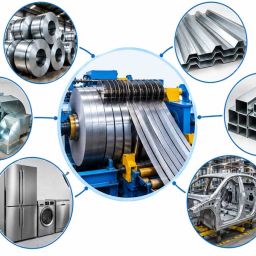
Heavy gauge cut to length lines serve industries in which thick, flat plate is the primary raw material:
- Structural steel and construction: Base plates, gussets, and beam components
- Shipbuilding and offshore structures: Hull and deck plate sections
- Pressure vessels and boilers: Shell and head blanks
- Heavy machinery and mining equipment: Frames, buckets, and wear components
- Energy sector: Wind tower segments, pipeline components, and storage tank plates
- Trailers, rail, and transportation equipment: Chassis and load-bearing parts
Advantages of Heavy Gauge CTL Systems
- Improved flatness: Precision leveling removes internal stress, reducing distortion during laser, plasma, or flame cutting.
- High dimensional accuracy: Servo feeding and accurate measurement deliver consistent plate length.
- Reduced material waste: Processing from coil is generally more cost-effective than purchasing pre-cut plate, and optimized cutting minimizes scrap.
- Higher productivity: Continuous operation increases throughput compared with manual or batch processing.
- Material flexibility: One line can process a range of grades, including carbon steel, high-strength low-alloy steel, and wear-resistant steel.
- Safe handling: Automated coil and plate handling lowers the risk associated with moving heavy materials.
Maintenance Recommendations
Consistent maintenance extends equipment life and protects product quality:
- Inspect and lubricate leveler bearings and drive components on a regular schedule.
- Check hydraulic oil quality, pressure, and filter condition routinely.
- Monitor shear blade wear, and regrind or replace blades before edge quality degrades.
- Verify encoder calibration and feed accuracy periodically.
- Keep electrical cabinets clean and inspect cable connections for wear.
Conclusion
A heavy gauge CTL system is a precision engineered solution for converting thick coil into flat, accurately cut plate. Its performance depends on the integration of a robust uncoiler, a heavy duty precision leveler, an accurate feeding system, and a powerful shear, all coordinated by a reliable control system. By defining material requirements clearly, selecting properly dimensioned components, and working with an experienced manufacturer, producers can achieve consistent plate quality, high productivity, and a strong return on investment.
FAQ:
Heavy gauge lines typically process material from approximately 6 mm up to 25 mm or more, depending on the machine design.
Most heavy gauge systems are designed for coil weights of 20 to 40 tons or more, depending on the uncoiler and coil car capacity.
Hydraulic shears are most common for thick plate, while mechanical or flying shears are used where higher cutting speed is required.
Structural steel, shipbuilding, pressure vessel, heavy machinery, energy, and transportation industries use these systems widely.
Yes, LotosSlitting can customize the line according to your material thickness, width, coil weight, and production capacity requirements.